What causes an overactive bladder?
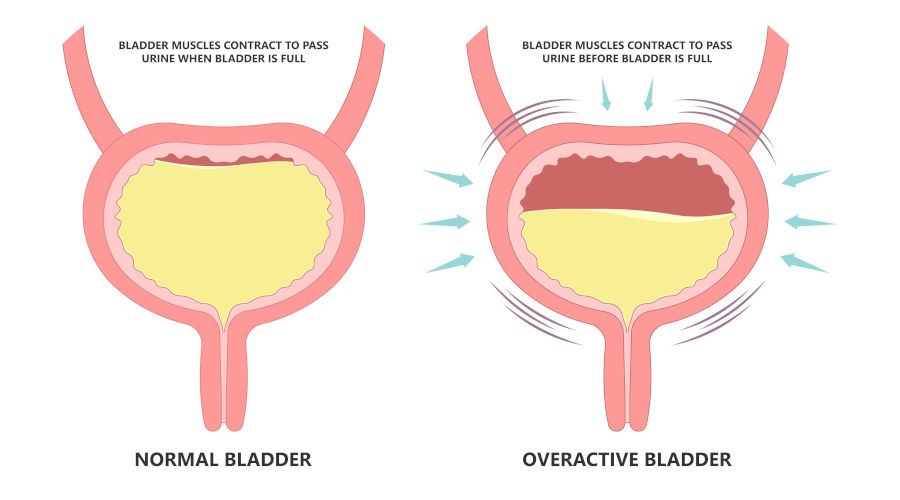
Overactive bladder can develop due to abnormal nerve signals between the bladder and the brain, causing the bladder muscles to contract unexpectedly. Other contributing factors may include aging, neurological disorders, urinary tract infections, bladder abnormalities, or certain medications. Excessive caffeine or alcohol consumption can also worsen symptoms. Identifying the underlying cause helps healthcare providers recommend the most effective treatment approach.
What are the symptoms of overactive bladder?
The hallmark symptom of OAB is a sudden, intense urge to urinate that may be difficult to postpone. Many individuals also experience frequent urination throughout the day, waking multiple times at night to urinate, and accidental urine leakage before reaching a restroom. Symptoms can range from mild to severe and may interfere with work, social activities, and sleep quality. Persistent urinary urgency should be evaluated by a healthcare professional.
How is overactive bladder diagnosed?
Diagnosis begins with a review of symptoms, medical history, and a physical examination. Healthcare providers may recommend urine tests to rule out infections or other urinary conditions. Additional evaluations such as bladder diaries, ultrasound imaging, or specialized bladder function testing may be used to assess bladder activity. These tests help determine the cause of symptoms and guide appropriate treatment planning.
What treatments are available for overactive bladder?
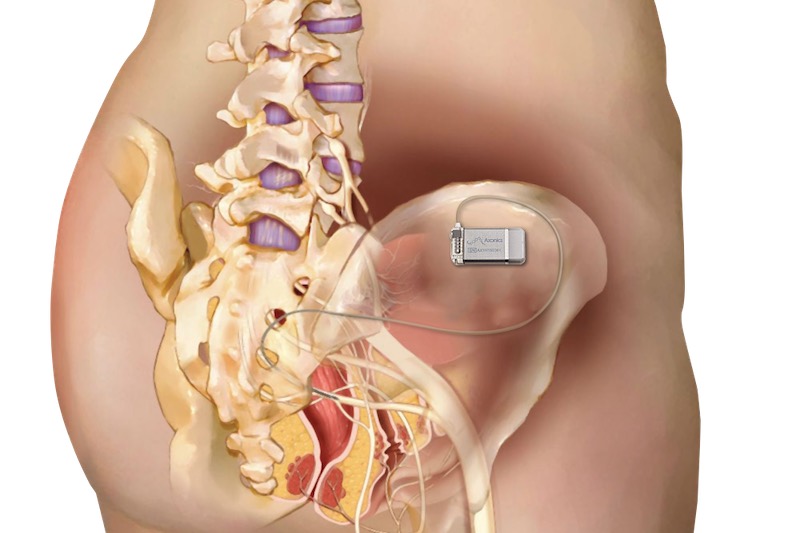
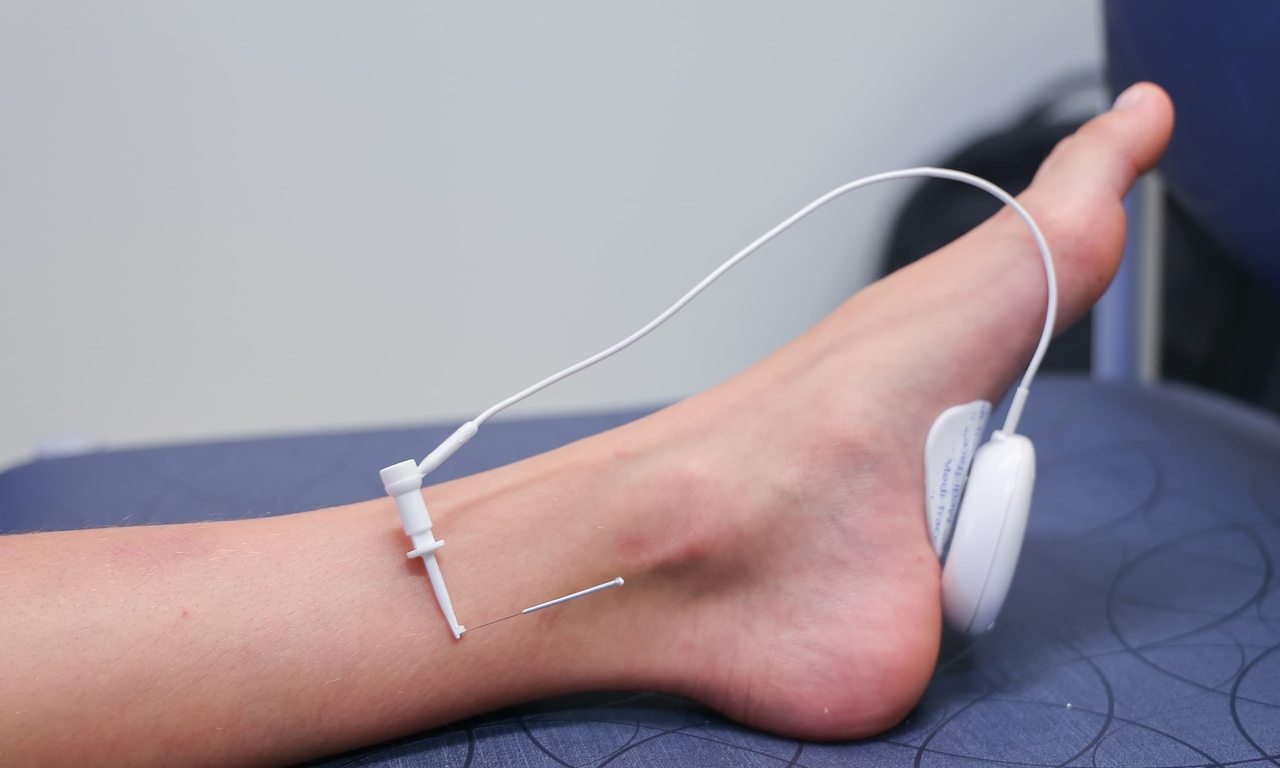
Treatment options often begin with lifestyle modifications, including bladder training, pelvic floor exercises, fluid management, and dietary adjustments. Medications may be prescribed to help relax the bladder muscles and reduce urgency and frequency. For individuals with persistent symptoms, advanced therapies such as nerve stimulation or minimally invasive procedures may be recommended. A personalized treatment plan can significantly improve bladder control and overall quality of life.