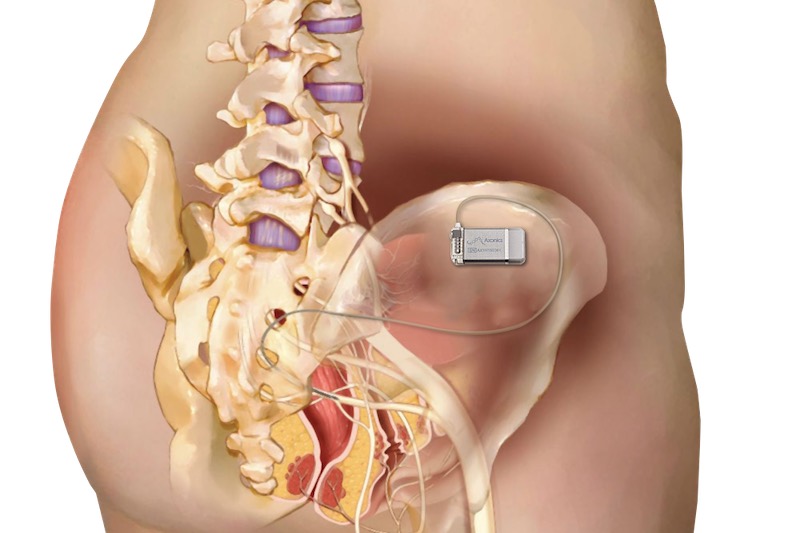
What is InterStim sacral neuromodulation?
InterStim is a therapy that uses a small implanted device to deliver mild electrical impulses to the sacral nerves located near the lower spine. These impulses help regulate abnormal nerve signals that contribute to bladder and bowel dysfunction. The device works similarly to a pacemaker but is designed specifically for pelvic health conditions. By improving nerve communication, InterStim can help restore more normal urinary and bowel function.
Who is a candidate for InterStim therapy?
InterStim may be recommended for individuals with overactive bladder, urinary urgency, urge incontinence, non-obstructive urinary retention, or certain bowel control disorders who have not responded adequately to medications or other conservative treatments. Candidates typically undergo a trial evaluation to determine whether the therapy effectively improves their symptoms before permanent implantation. A comprehensive assessment by a urology specialist helps identify suitable candidates. Treatment recommendations are tailored to each patient’s specific condition and needs.
What are the benefits of InterStim therapy?
InterStim can significantly reduce urinary urgency, frequency, leakage episodes, and difficulty emptying the bladder. Many patients also experience improved bowel control and greater confidence in daily activities. The therapy is adjustable, reversible, and designed to provide long-term symptom management without major surgery. By improving bladder and bowel function, InterStim can enhance overall quality of life and reduce dependence on medications.
What can I expect during and after the procedure?
The InterStim process typically begins with a temporary trial phase to evaluate symptom improvement before permanent implantation. If the trial is successful, a small neurostimulator device is implanted beneath the skin during a minimally invasive procedure. Most patients return to normal activities within a short period, although temporary activity restrictions may be recommended during healing. Follow-up visits allow healthcare providers to adjust device settings and ensure optimal symptom control over time.