Kidney stones

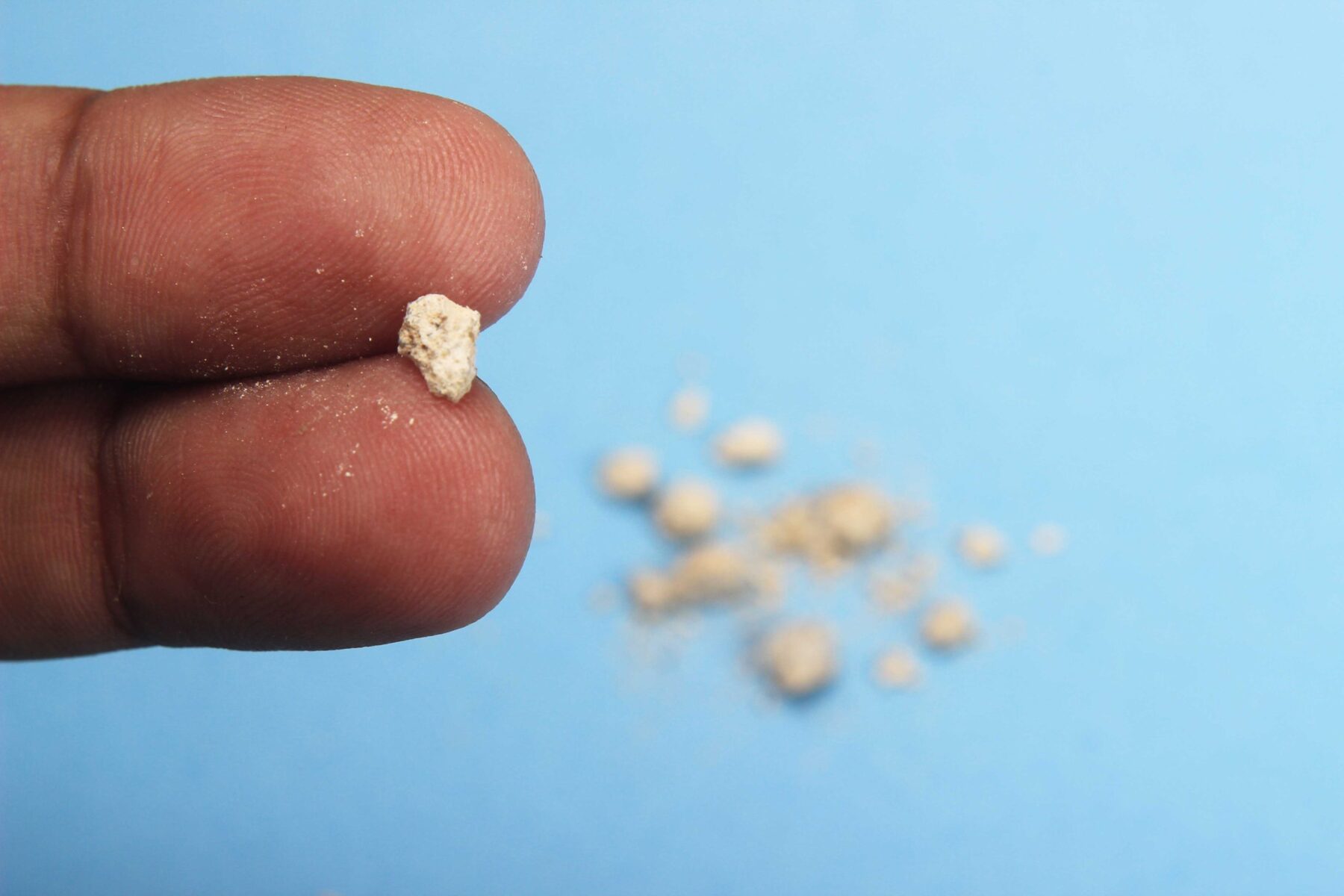
Kidney stones are hard mineral and salt deposits that form inside the kidneys when substances in the urine become concentrated and crystallize. These stones can vary in size and may cause severe pain as they move through the urinary tract. Common symptoms include sharp back or side pain, blood in the urine, nausea, vomiting, and frequent urination. Factors such as dehydration, dietary habits, family history, and certain medical conditions can increase the risk of developing kidney stones. Early diagnosis and personalized treatment can help relieve symptoms, prevent complications, and reduce the risk of future stone formation.

What causes kidney stones?

Kidney stones develop when minerals and salts in the urine become highly concentrated and form crystals. Dehydration is one of the most common risk factors, as it reduces the amount of fluid available to dilute these substances. Other contributing factors include high-sodium diets, obesity, certain medications, and a family history of kidney stones. Understanding the cause can help guide prevention strategies and treatment plans.

What are the symptoms of kidney stones?

Symptoms often appear when a stone moves within the kidney or enters the ureter. Patients commonly experience severe pain in the back, side, or lower abdomen that may come in waves. Additional symptoms can include blood in the urine, burning during urination, nausea, vomiting, and frequent urges to urinate. Larger stones may cause more intense symptoms and require medical attention.

How are kidney stones diagnosed?

Doctors use a combination of medical history, physical examination, urine tests, and blood tests to evaluate kidney stones. Imaging studies such as ultrasounds, X-rays, or CT scans help determine the size, location, and number of stones present. These diagnostic tools also help identify potential complications and guide treatment decisions. Early and accurate diagnosis is essential for effective management.

What treatments are available for kidney stones?

Treatment depends on the size, type, and location of the stone. Small stones may pass naturally with increased fluid intake and pain management medications. Larger stones may require advanced treatments such as shockwave lithotripsy (ESWL), ureteroscopy, laser stone removal, or minimally invasive surgery. The goal of treatment is to remove the stone, relieve symptoms, and help prevent future stone formation through lifestyle and dietary modifications.

Ureteroscopy

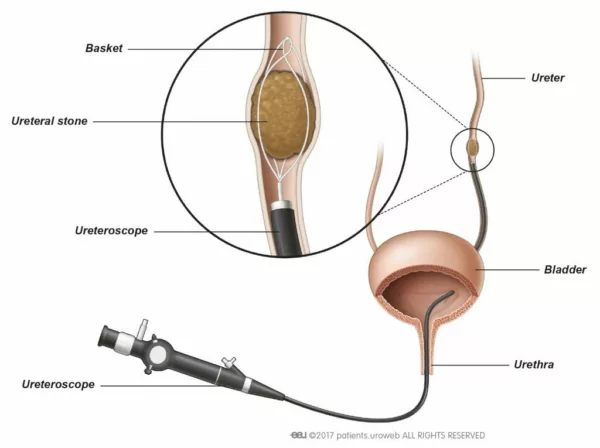
Ureteroscopy is a minimally invasive procedure used to diagnose and treat stones, blockages, and other conditions affecting the urinary tract. During the procedure, a thin, flexible instrument called a ureteroscope is passed through the urethra and bladder into the ureter or kidney without the need for external incisions.

Extracorporeal Shockwave Lithotripsy

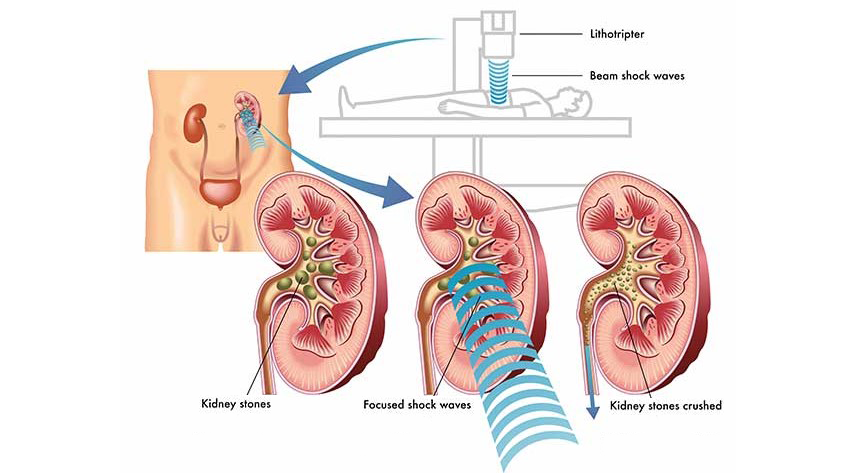
Extracorporeal Shock Wave Lithotripsy (ESWL) is a non-invasive procedure used to treat kidney stones and certain ureteral stones without the need for surgery. The treatment uses carefully focused shock waves generated outside the body to break stones into smaller fragments that can pass naturally through the urinary tract. ESWL is one of the most commonly used treatments for appropriately sized urinary stones and is typically performed on an outpatient basis. 

Robotic surgical management of high-volume stone disease

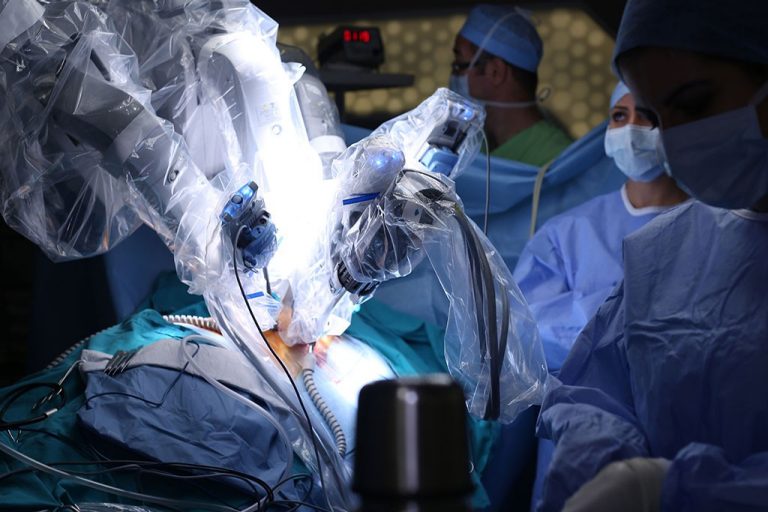
Robotic surgical management of high-volume stone disease is an advanced treatment option for patients with large, complex, or recurrent kidney and urinary tract stones. Using robotic-assisted technology, surgeons can precisely remove stones while minimizing trauma to surrounding tissues. This approach is often considered when stone burden is extensive or when other minimally invasive treatments may not provide complete stone clearance.

Percutaneous Nephrolithotomy

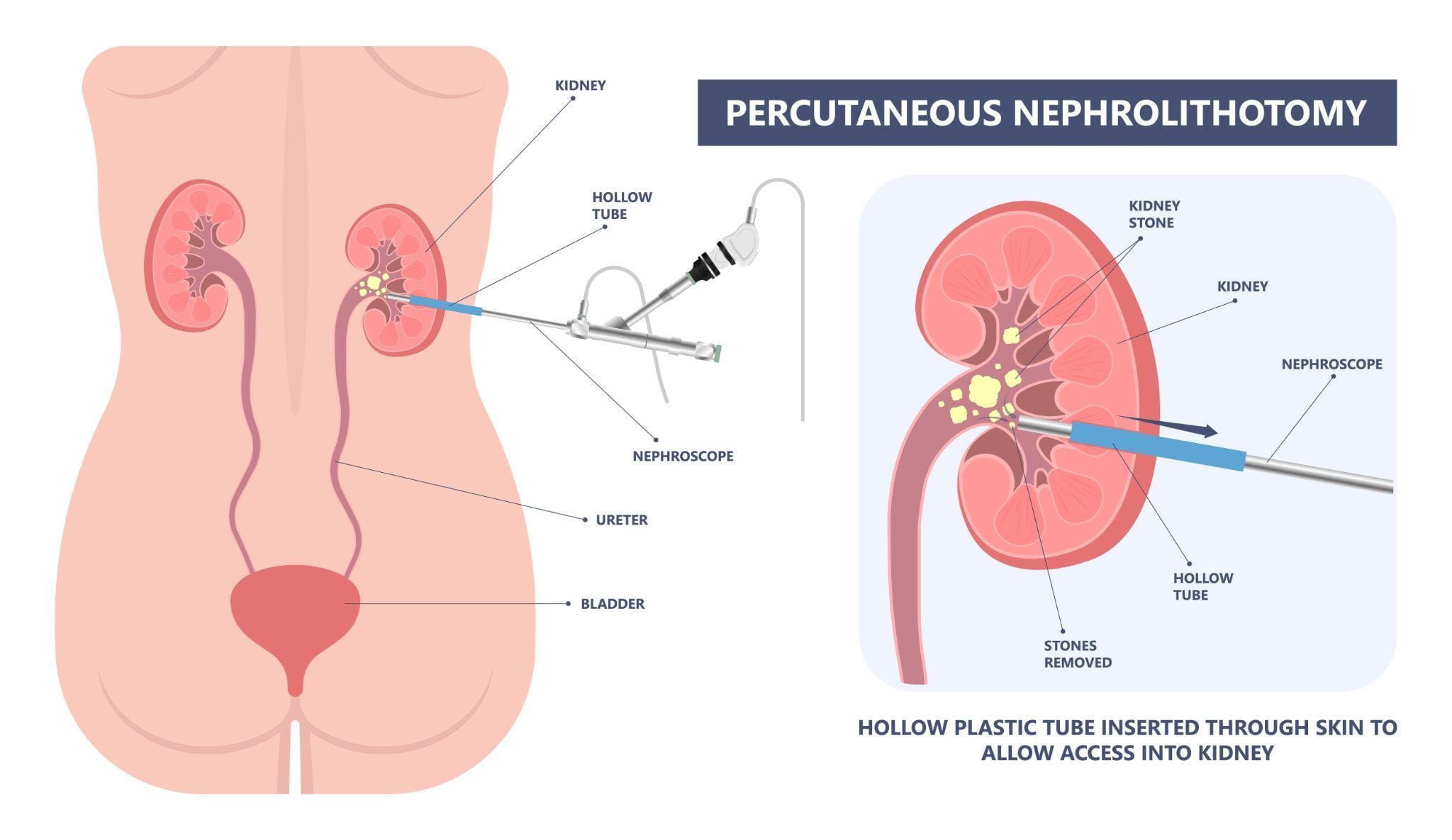
Percutaneous Nephrolithotomy (PCNL) is a minimally invasive surgical procedure used to remove large, complex, or hard-to-treat kidney stones. The procedure involves creating a small incision in the back to access the kidney directly and remove stone fragments using specialized instruments. PCNL is often recommended when kidney stones are too large for natural passage or when other treatments, such as shock wave lithotripsy, are unlikely to be effective.