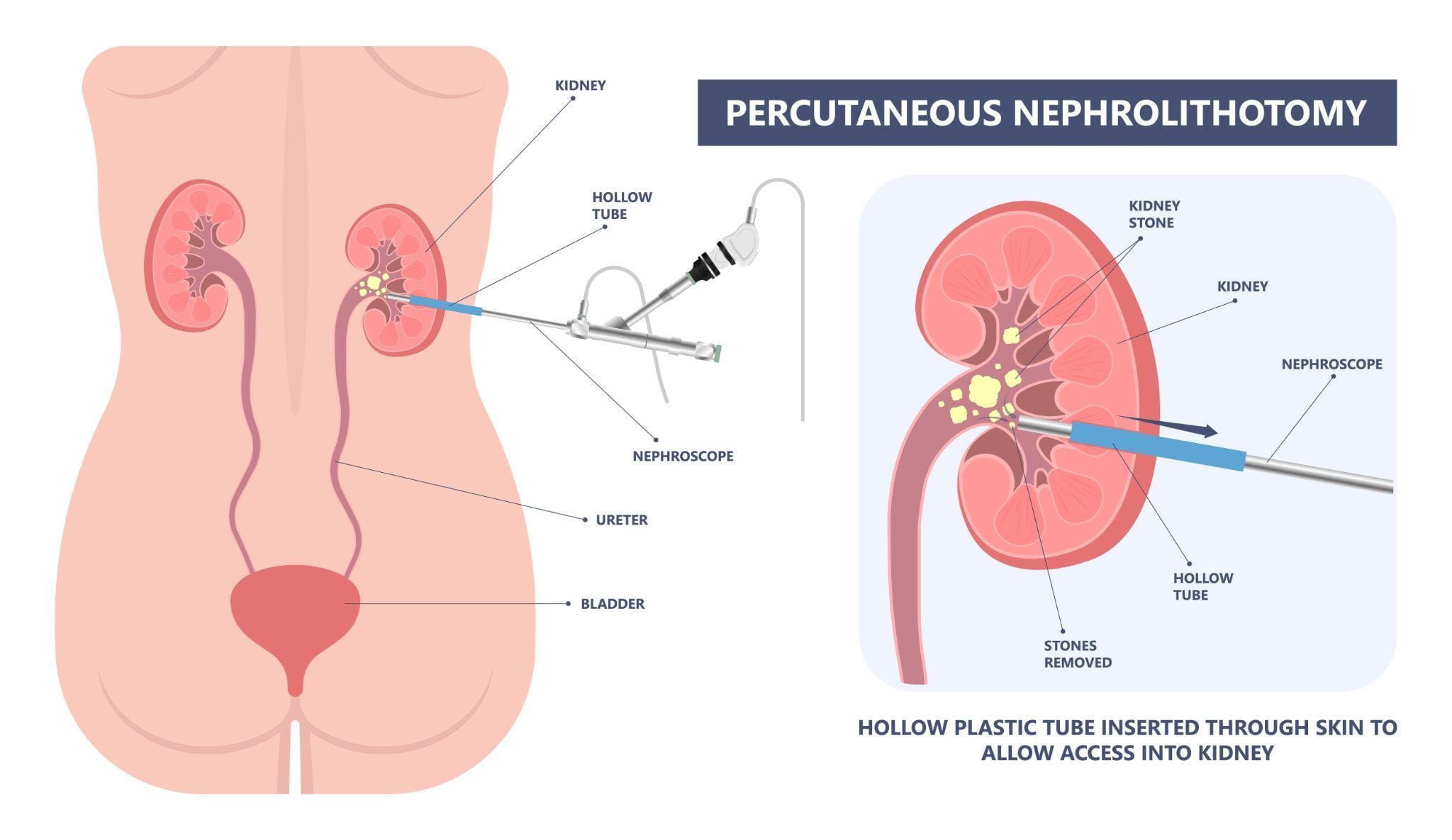
What is Percutaneous Nephrolithotomy (PCNL)?
PCNL is a specialized procedure used to remove large or complex kidney stones through a small incision in the patient’s back. A thin instrument is guided directly into the kidney, allowing the surgeon to break up and remove the stones. The procedure is performed under anesthesia and provides direct access to the kidney without the need for traditional open surgery. PCNL is considered one of the most effective treatments for large kidney stones.
Who is a candidate for Aquablation?
PCNL is typically recommended for patients with large kidney stones, multiple stones, staghorn calculi, or stones that have not responded to other treatments. It may also be appropriate for individuals experiencing recurrent infections, urinary obstruction, or reduced kidney function due to stone disease. The decision to perform PCNL depends on stone size, location, overall health, and other medical factors. A urology specialist will evaluate each patient to determine the most appropriate treatment plan.
What are the benefits of PCNL?
PCNL offers a highly effective solution for removing large and complex kidney stones in a single procedure. Benefits include a high stone-free rate, relief from pain and urinary symptoms, and reduced risk of future complications associated with untreated stones. Compared to traditional open surgery, PCNL requires only a small incision and generally results in a shorter recovery period. The procedure can also help preserve kidney function and improve overall urinary health.
What can I expect during recovery after PCNL?
Recovery after PCNL typically involves a short hospital stay to monitor healing and kidney function. Patients may experience mild discomfort, temporary blood in the urine, or soreness around the incision site during the initial recovery period. Drinking plenty of fluids and following postoperative instructions can support healing and help prevent future stone formation. Follow-up appointments and imaging studies are often scheduled to ensure complete stone removal and assess long-term results.