What causes kidney stones?
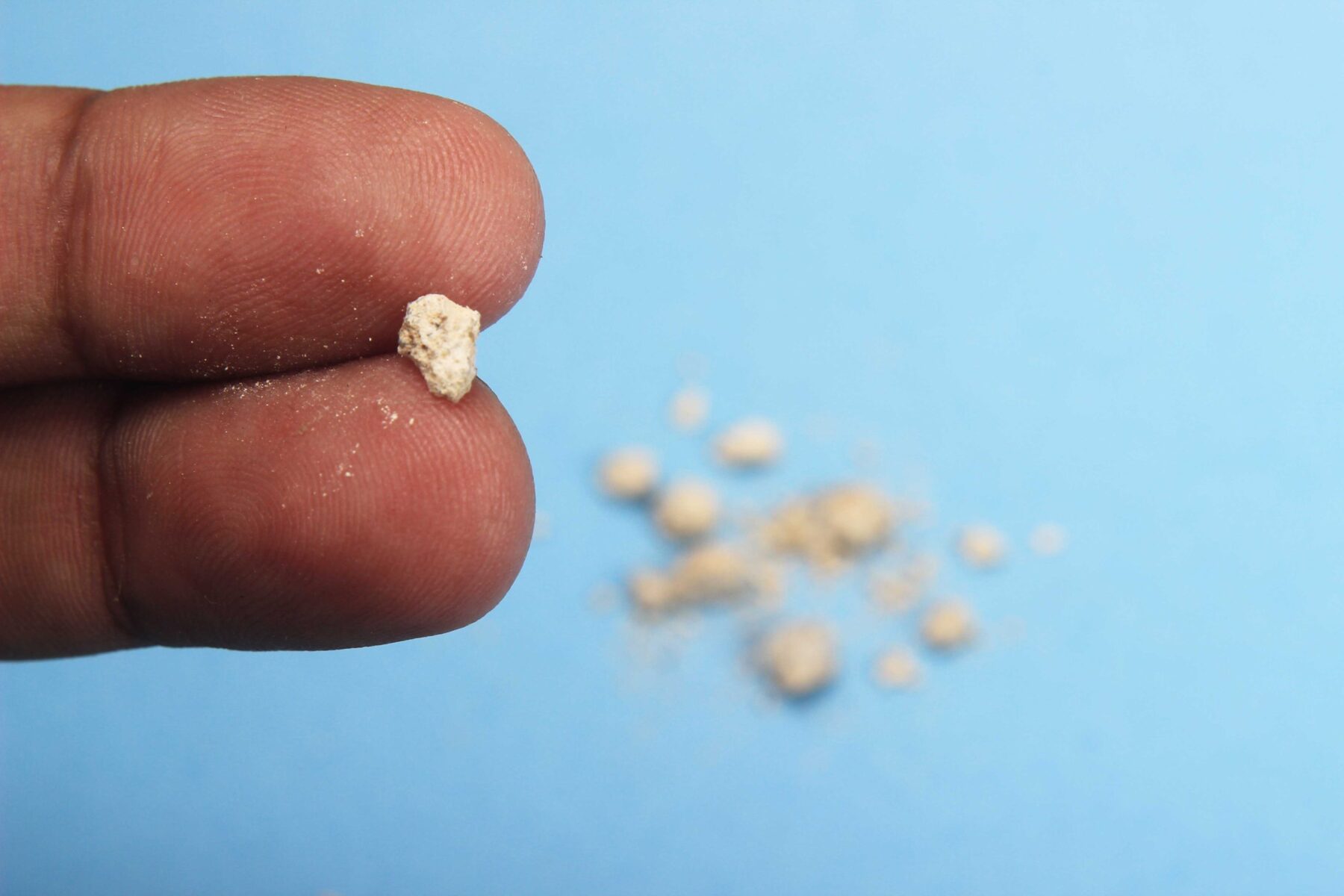
Kidney stones develop when minerals and salts in the urine become highly concentrated and form crystals. Dehydration is one of the most common risk factors, as it reduces the amount of fluid available to dilute these substances. Other contributing factors include high-sodium diets, obesity, certain medications, and a family history of kidney stones. Understanding the cause can help guide prevention strategies and treatment plans.
What are the symptoms of kidney stones?
Symptoms often appear when a stone moves within the kidney or enters the ureter. Patients commonly experience severe pain in the back, side, or lower abdomen that may come in waves. Additional symptoms can include blood in the urine, burning during urination, nausea, vomiting, and frequent urges to urinate. Larger stones may cause more intense symptoms and require medical attention.
How are kidney stones diagnosed?
Doctors use a combination of medical history, physical examination, urine tests, and blood tests to evaluate kidney stones. Imaging studies such as ultrasounds, X-rays, or CT scans help determine the size, location, and number of stones present. These diagnostic tools also help identify potential complications and guide treatment decisions. Early and accurate diagnosis is essential for effective management.
What treatments are available for kidney stones?
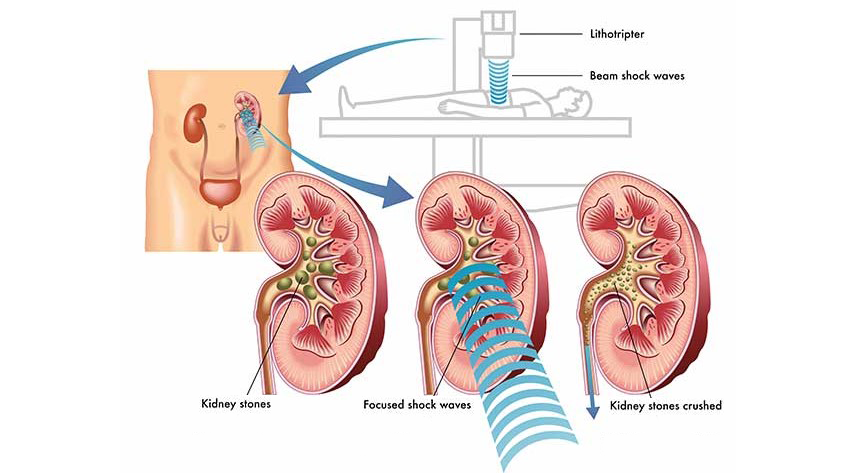
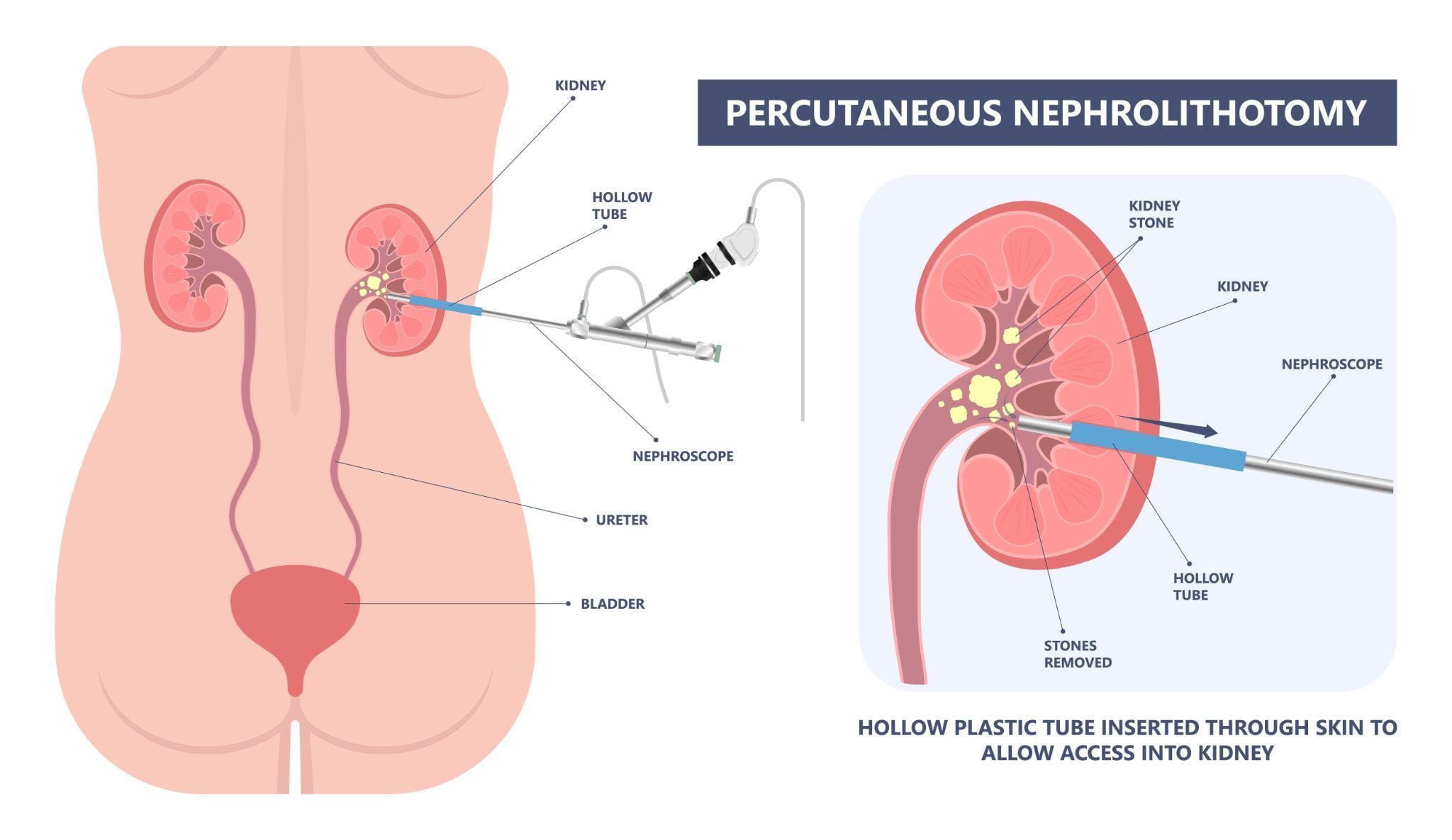
Treatment depends on the size, type, and location of the stone. Small stones may pass naturally with increased fluid intake and pain management medications. Larger stones may require advanced treatments such as shockwave lithotripsy (ESWL), ureteroscopy, laser stone removal, or minimally invasive surgery. The goal of treatment is to remove the stone, relieve symptoms, and help prevent future stone formation through lifestyle and dietary modifications.