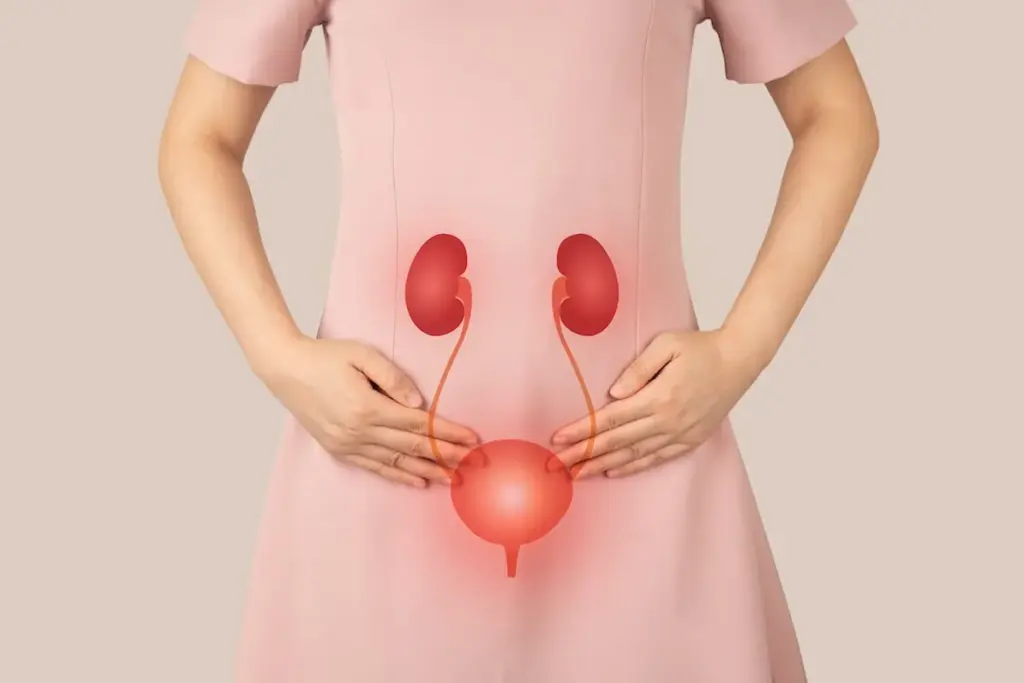
What is female urologic reconstruction?
Female urologic reconstruction is a specialized field of urology that focuses on repairing and restoring the urinary tract, bladder, urethra, and pelvic support structures. These procedures are performed to correct anatomical abnormalities, improve urinary function, and address conditions affecting pelvic health. Treatment may involve reconstructive surgery of the bladder, urethra, pelvic floor, or surrounding tissues. The goal is to restore normal function while improving comfort and quality of life.
Who may benefit from reconstructive urologic surgery?
Women experiencing urinary incontinence, pelvic organ prolapse, urethral strictures, urinary fistulas, congenital abnormalities, or complications from previous pelvic surgeries may benefit from reconstructive procedures. Surgical reconstruction may also be recommended for patients with injuries affecting the urinary tract or pelvic floor. A comprehensive evaluation helps determine the most appropriate treatment based on symptoms, anatomy, and overall health. Each treatment plan is tailored to the individual’s needs and goals.
What conditions can be treated with female urologic reconstruction?
Female reconstructive urology can address a wide range of conditions, including stress urinary incontinence, pelvic organ prolapse, bladder dysfunction, urethral abnormalities, and urinary tract injuries. It can also be used to repair fistulas and correct structural issues that affect urinary function. Treatment options vary depending on the severity and complexity of the condition. Advanced surgical techniques help restore normal anatomy and improve long-term outcomes.
What can I expect during recovery after reconstructive surgery?
Recovery depends on the type and complexity of the procedure performed. Most patients experience gradual improvement in symptoms as healing progresses and are provided with detailed postoperative instructions to support recovery. Temporary activity restrictions may be recommended to protect the surgical repair and optimize results. Follow-up appointments allow the healthcare team to monitor healing, evaluate outcomes, and ensure the best possible long-term urinary and pelvic health.