What is the HoLEP procedure?
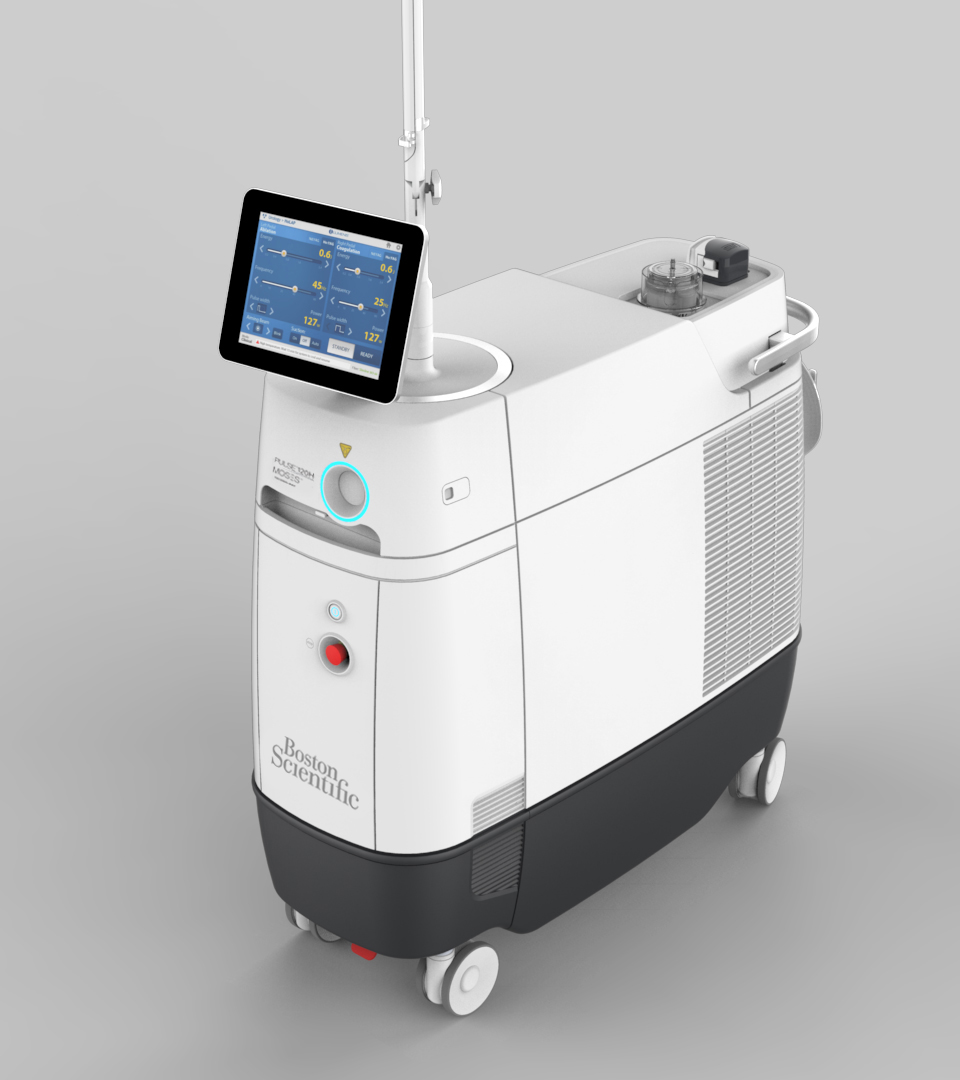
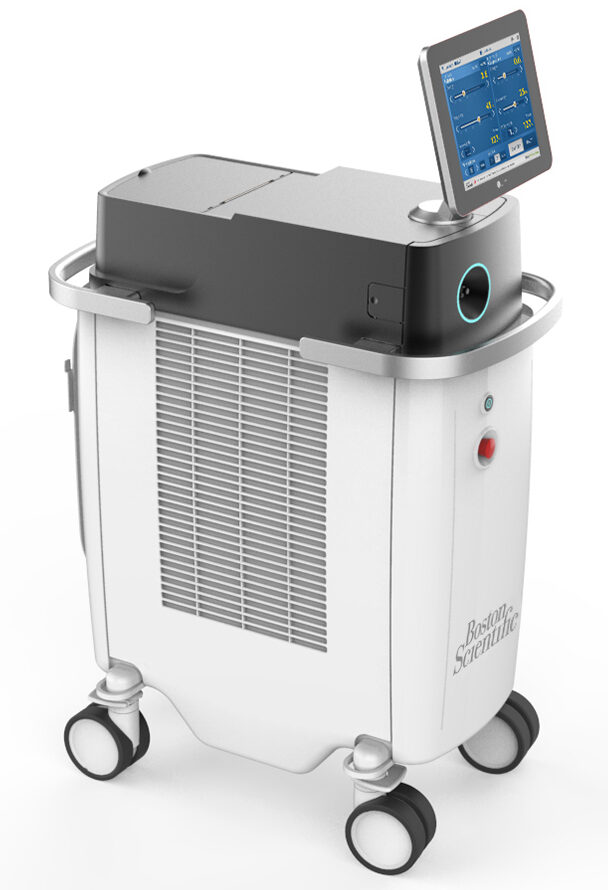
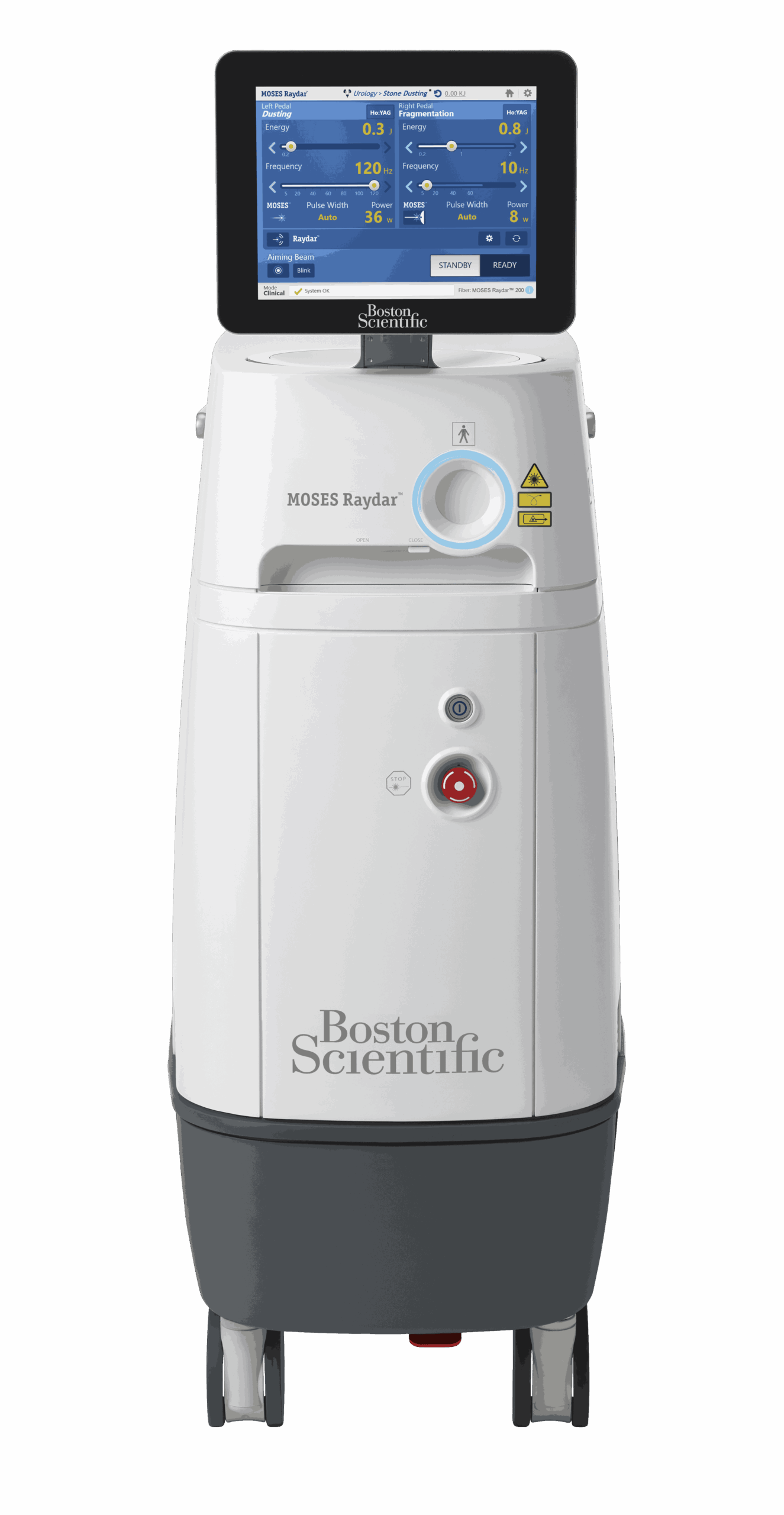
HoLEP (Holmium Laser Enucleation of the Prostate) is an advanced laser surgery designed to remove excess prostate tissue that causes urinary obstruction due to benign prostatic hyperplasia (BPH). The procedure is performed through the urethra without external incisions, making it a minimally invasive treatment option.
By removing the obstructing tissue, HoLEP restores normal urine flow, reduces urinary symptoms, and lowers the likelihood of needing future prostate procedures. It is suitable for men with both moderate and significantly enlarged prostates and provides durable, long-term results.
Who is a good candidate for HoLEP?
HoLEP is recommended for men experiencing bothersome urinary symptoms caused by an enlarged prostate, particularly when medications are no longer effective or urinary obstruction has become more severe. It is especially beneficial for patients with larger prostates who may otherwise require more invasive surgery.
A comprehensive evaluation, including medical history, physical examination, and diagnostic testing, helps determine whether HoLEP is the most appropriate treatment. Your urologist will discuss your symptoms, prostate size, and overall health before recommending the procedure.
What are the benefits of HoLEP compared to traditional prostate surgery?
One of the major advantages of HoLEP is its ability to remove a significant amount of enlarged prostate tissue while minimizing bleeding and preserving surrounding structures. Most patients experience improved urinary flow, reduced symptoms, shorter catheter use, and a quicker recovery than with many traditional procedures.
Because HoLEP completely removes the obstructing tissue, it also offers excellent long-term durability and has a low chance of requiring repeat treatment. Many patients return to normal daily activities within a relatively short period after surgery.
What should I expect during recovery after HoLEP?
Following HoLEP, most patients stay in the hospital for a short period, and many have their urinary catheter removed within a day. Mild urinary frequency, urgency, or slight blood in the urine may occur temporarily as the urinary tract heals.
Recovery generally includes drinking plenty of fluids, avoiding heavy lifting for a few weeks, and attending follow-up appointments. Most men notice a significant improvement in urinary symptoms within weeks, with continued healing and better bladder function over time.