What causes a urethral stricture?
Urethral strictures are most commonly caused by scar tissue that develops after injury, infection, inflammation, or medical procedures involving the urinary tract. Previous catheter use, urethral surgery, pelvic trauma, and certain sexually transmitted infections may increase the risk. In some cases, the exact cause cannot be identified. Understanding the underlying cause helps healthcare providers choose the most appropriate treatment option.
What are the symptoms of a urethral stricture?
Symptoms often develop gradually and may worsen over time. Patients commonly experience a weak or slow urine stream, difficulty starting urination, straining while urinating, and a feeling of incomplete bladder emptying. Other symptoms can include urinary frequency, urinary tract infections, blood in the urine, and discomfort during urination. Severe strictures may eventually cause complete urinary blockage.
How is a urethral stricture diagnosed?
Diagnosis typically begins with a review of symptoms and medical history, followed by a physical examination. Doctors may perform urine tests, uroflowmetry to measure urine flow, cystoscopy to view the urethra directly, or imaging studies such as retrograde urethrograms. These tests help determine the location, length, and severity of the narrowing. Accurate diagnosis is essential for developing an effective treatment plan.
What treatments are available for a urethral stricture?
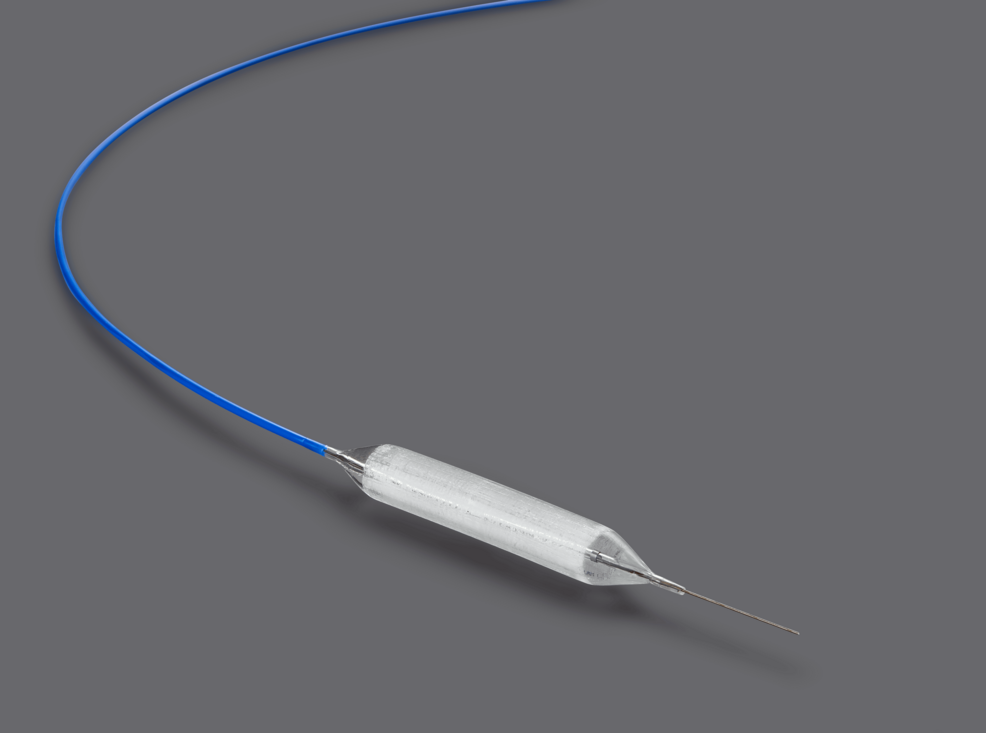
Treatment depends on the severity and length of the stricture. Options may include urethral dilation, internal urethrotomy, or reconstructive surgery known as urethroplasty. In some cases, temporary catheter placement may be necessary to relieve urinary obstruction. The primary goal of treatment is to restore normal urine flow, reduce symptoms, prevent complications, and improve long-term urinary health.