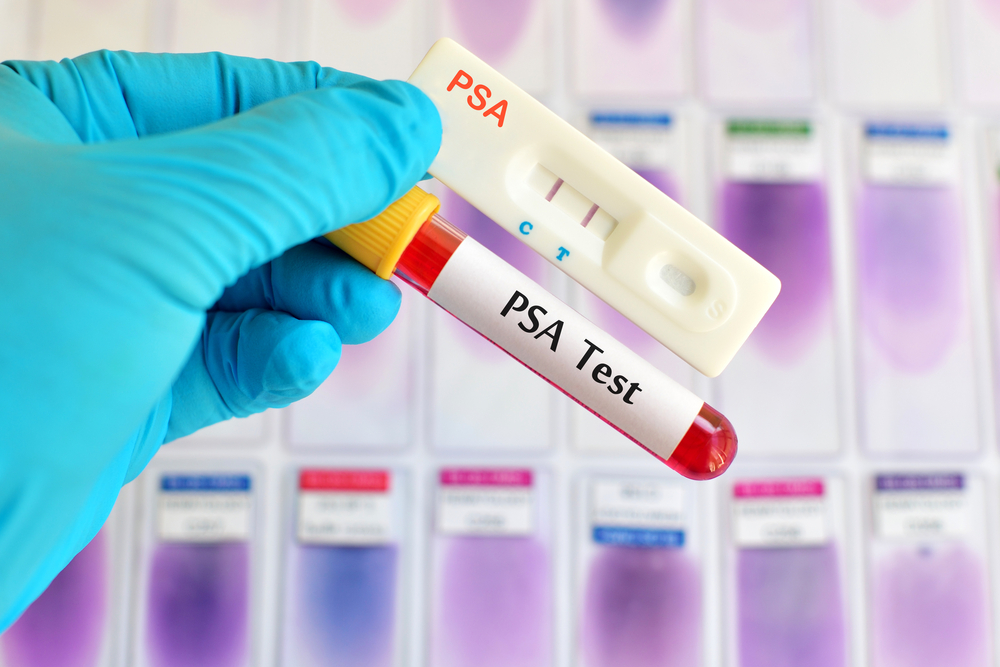
Why is prostate health important?
The prostate gland plays a key role in producing fluid that supports and nourishes sperm. As men age, the prostate can become affected by conditions such as enlargement, inflammation, or cancer, which may impact urinary and reproductive health. Maintaining prostate health can help reduce the risk of complications and improve overall quality of life. Routine medical evaluations can help detect problems before they become more serious.
What are common signs of prostate problems?
Symptoms of prostate issues may include frequent urination, difficulty starting or stopping urination, a weak urine stream, pelvic discomfort, or the feeling of incomplete bladder emptying. Some men may also experience pain during urination or changes in sexual function. These symptoms can result from a variety of prostate conditions and should be evaluated by a healthcare professional. Early assessment often leads to more effective treatment and management.
How can I support healthy prostate function?
Supporting prostate health starts with maintaining a healthy lifestyle. Eating a diet rich in fruits, vegetables, whole grains, and healthy fats may benefit prostate function. Regular physical activity, staying hydrated, maintaining a healthy weight, and avoiding tobacco products can also contribute to overall urinary and reproductive health. Consistent preventive care and routine screenings are equally important for long-term wellness.
When should I see a doctor about prostate health?
Men should consult a healthcare provider if they experience persistent urinary symptoms, pelvic pain, blood in the urine, or changes in sexual function. Regular prostate screenings may be recommended based on age, family history, and individual risk factors. Early evaluation allows healthcare providers to identify potential issues and recommend appropriate treatment when necessary. Proactive care is one of the most effective ways to protect long-term prostate health.