Prostate Cancer

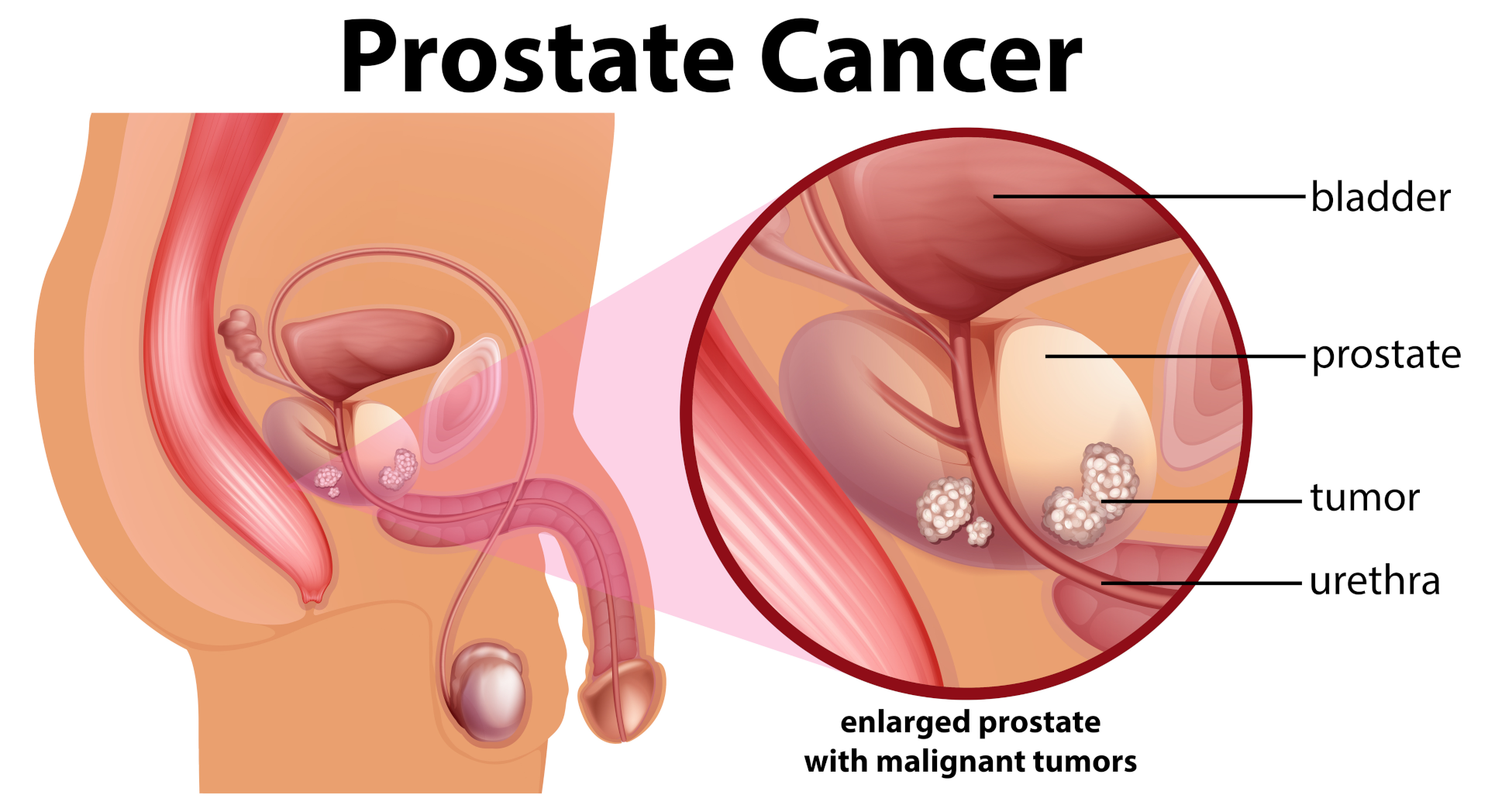
Prostate cancer is one of the most common cancers affecting men and develops in the prostate gland, a small organ located below the bladder. In many cases, prostate cancer grows slowly and may not cause noticeable symptoms in its early stages. As the disease progresses, symptoms can include difficulty urinating, frequent urination, blood in the urine, pelvic discomfort, or erectile dysfunction. Early detection through regular screenings and medical evaluations can significantly improve treatment outcomes. With advances in modern medicine, many patients benefit from highly effective treatment options tailored to their specific condition and stage of cancer.

What are the risk factors for prostate cancer?

Several factors can increase the risk of developing prostate cancer, including age, family history, and certain genetic changes. Men over the age of 50 are at a higher risk, and the likelihood increases with advancing age. Having a close relative with prostate cancer may also raise the risk. Maintaining a healthy lifestyle and discussing screening options with a healthcare provider can support early detection and management.

What are the symptoms of prostate cancer?

Early-stage prostate cancer often causes no symptoms, which is why routine screening is important. As the cancer grows, symptoms may include difficulty starting or stopping urination, a weak urine stream, frequent urination, especially at night, and blood in the urine or semen. Some men may also experience pelvic pain or discomfort. Because these symptoms can occur with other prostate conditions, professional evaluation is essential for an accurate diagnosis.

How is prostate cancer diagnosed?

Diagnosis typically involves a combination of medical history review, physical examination, prostate-specific antigen (PSA) blood testing, and digital rectal examination (DRE). If abnormalities are detected, imaging studies such as MRI scans and prostate biopsies may be recommended to confirm the presence of cancer. These tests help determine the stage and aggressiveness of the disease. Accurate diagnosis allows healthcare providers to develop the most effective treatment plan.

What treatment options are available for prostate cancer?

Treatment depends on the stage of cancer, overall health, and individual patient needs. Options may include active surveillance for low-risk cases, surgery to remove the prostate, radiation therapy, hormone therapy, immunotherapy, or other advanced treatments. Many modern therapies are designed to target cancer while preserving quality of life. A personalized treatment approach helps patients achieve the best possible outcomes and long-term health.

Rectal Spacer Placement for Radiation Therapy

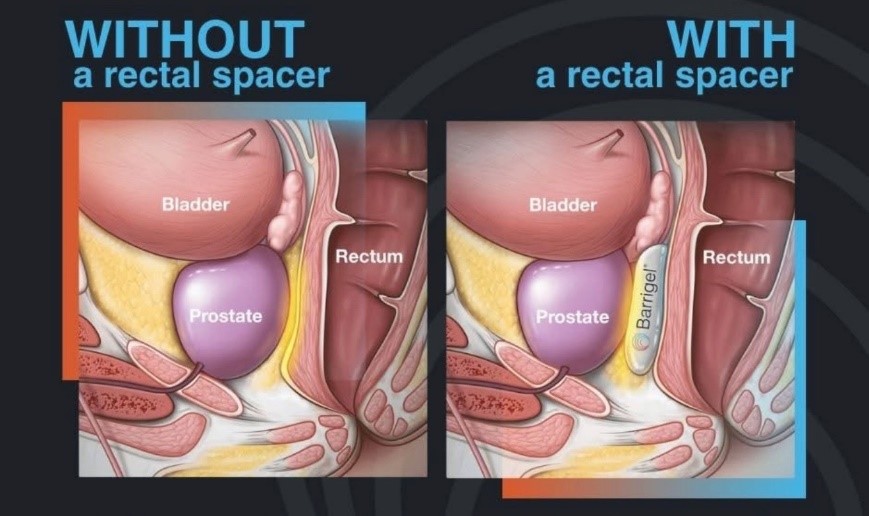
Rectal spacer placement is a minimally invasive procedure designed to help protect the rectum during prostate radiation therapy. A soft, absorbable gel is placed between the prostate and the rectum, creating additional space that reduces radiation exposure to healthy rectal tissue. This advanced technique can help minimize treatment-related side effects while allowing radiation therapy to be delivered more precisely to the prostate.

Da Vinci robotic surgery

Da Vinci® robotic surgery is an advanced, minimally invasive treatment option for prostate cancer that allows surgeons to remove the prostate gland with exceptional precision and control. Using robotic-assisted technology, the surgeon operates through small incisions while viewing a highly magnified, three-dimensional image of the surgical area. 

Focal One® HIFU

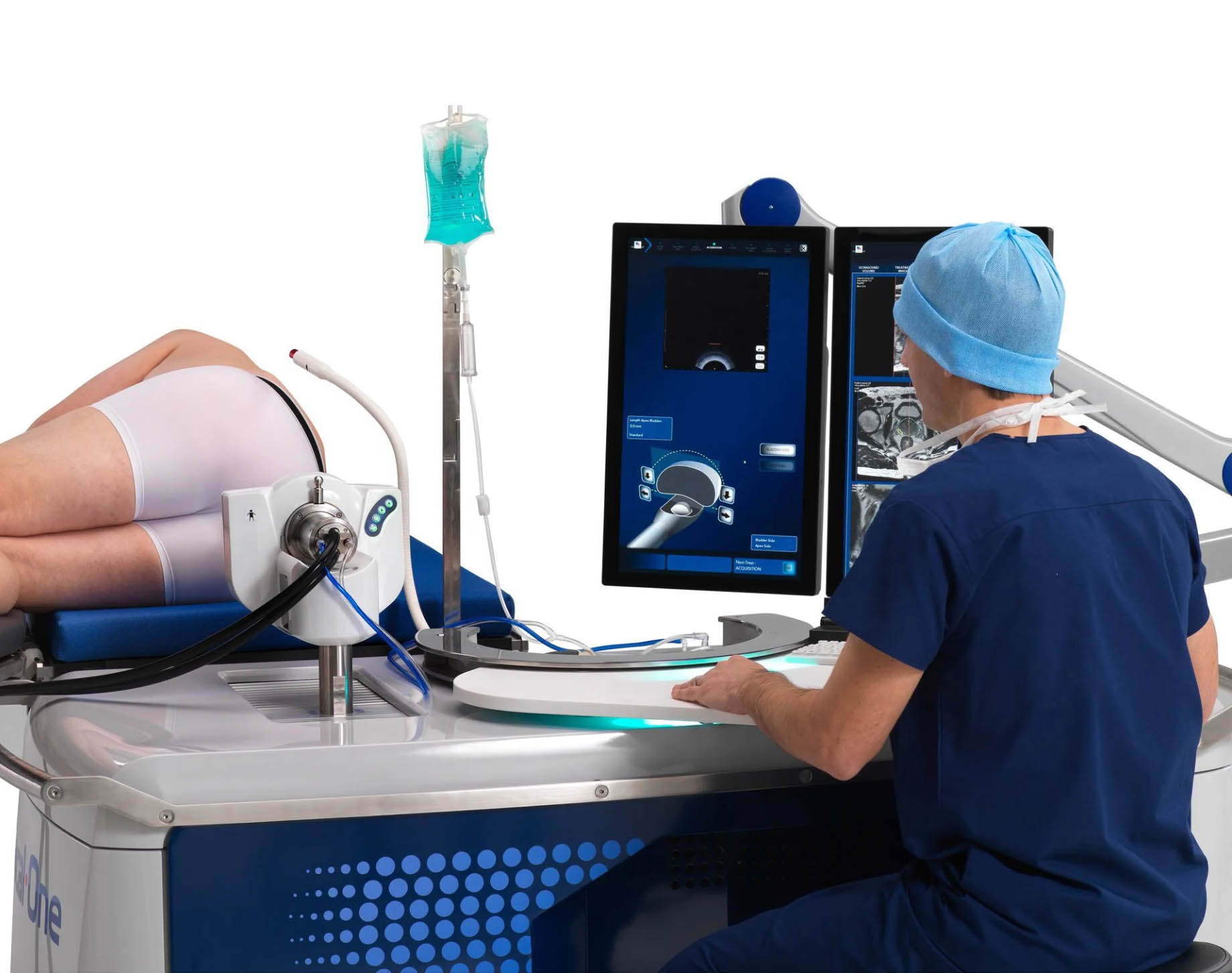
Focal One® High-Intensity Focused Ultrasound (HIFU) is an advanced, minimally invasive treatment option for selected patients with localized prostate cancer. The procedure uses precisely targeted ultrasound energy to heat and destroy cancerous prostate tissue without the need for surgical incisions or radiation. By focusing treatment only on the affected area of the prostate, Focal One HIFU aims to preserve healthy surrounding tissue and reduce the risk of treatment-related side effects.