What are the symptoms of bladder cancer?
The most common symptom of bladder cancer is blood in the urine, which may appear pink, red, or dark in color. Other symptoms can include frequent urination, pain or burning during urination, urgency, and pelvic discomfort. In more advanced cases, patients may experience lower back pain or unexplained weight loss. Because these symptoms can also occur with other urinary conditions, a thorough medical evaluation is important.
What causes bladder cancer?
Bladder cancer develops when genetic changes cause bladder cells to grow abnormally and form tumors. Smoking is one of the most significant risk factors, as harmful chemicals can accumulate in the urine and affect the bladder lining. Additional risk factors include exposure to certain industrial chemicals, chronic bladder irritation, previous cancer treatments, and increasing age. Understanding risk factors can help support prevention and early detection efforts.
How is bladder cancer diagnosed?
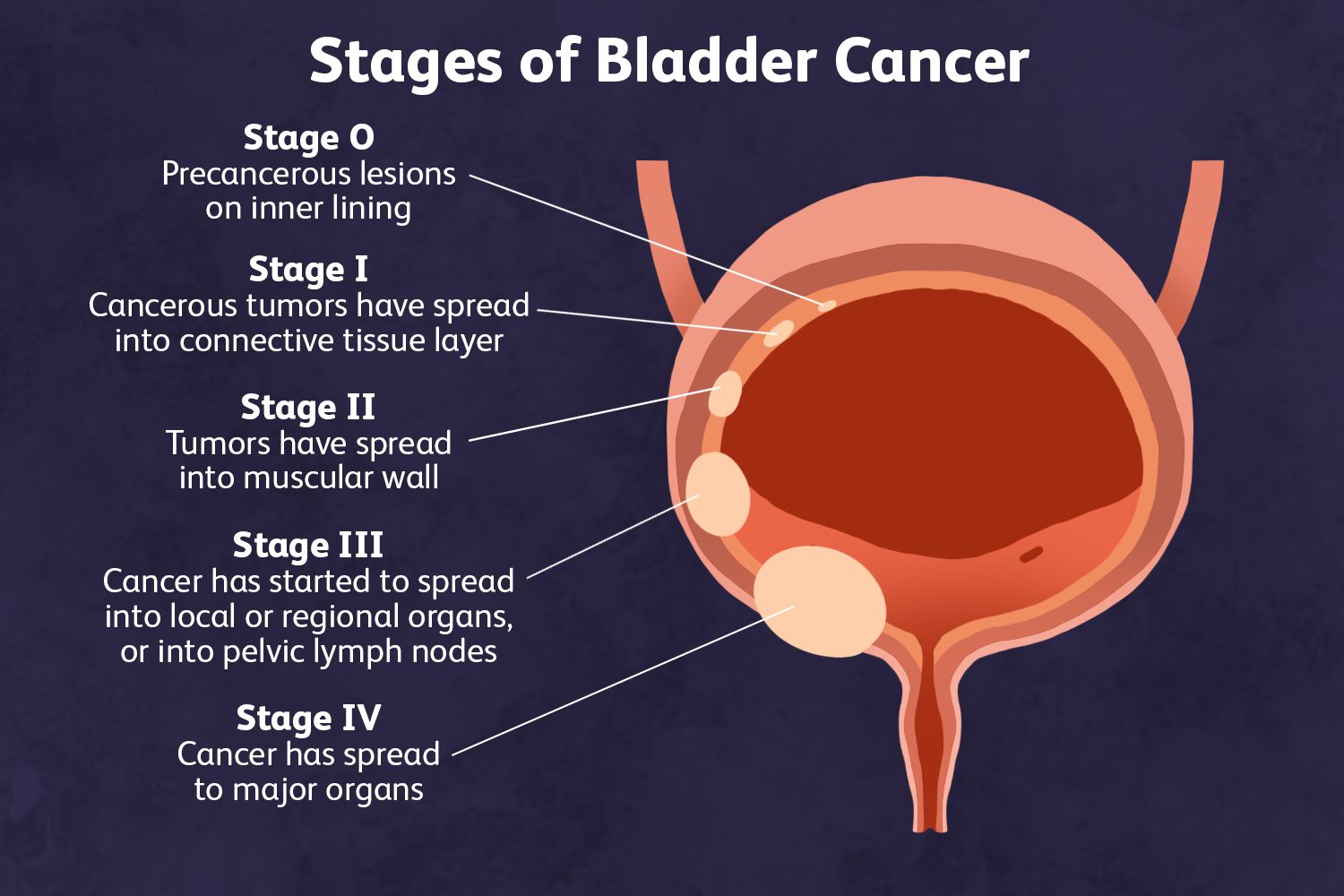
Diagnosis typically begins with a review of symptoms, medical history, and a physical examination. Healthcare providers may perform urine tests, urine cytology, imaging studies such as CT scans or ultrasounds, and cystoscopy, which allows direct visualization of the bladder. A biopsy may be taken during cystoscopy to confirm the diagnosis. These tests help determine the type, stage, and extent of the cancer.
What treatments are available for bladder cancer?
Treatment depends on the stage, grade, and location of the cancer. Options may include minimally invasive tumor removal, intravesical therapy, chemotherapy, immunotherapy, radiation therapy, or surgery to remove part or all of the bladder. Treatment plans are personalized to provide the most effective results while preserving bladder function whenever possible. Early intervention can significantly improve treatment success and long-term outcomes.