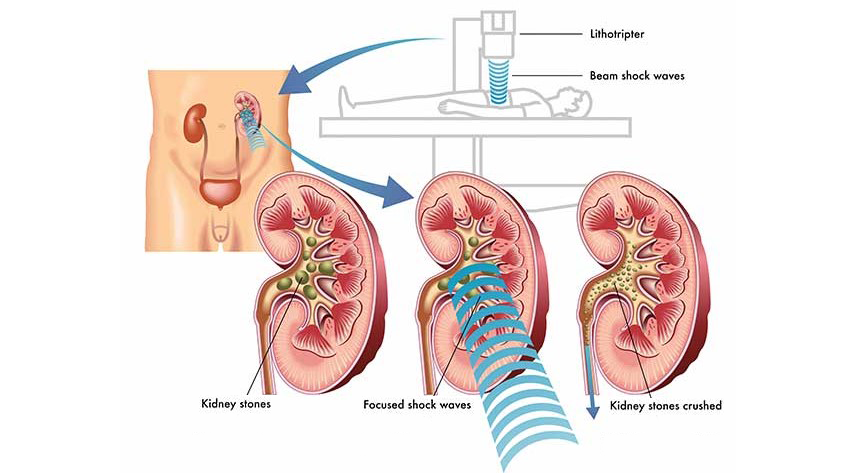
What is ESWL and how does it work?
ESWL is a non-invasive treatment that uses high-energy shock waves to break kidney or ureteral stones into smaller pieces. These shock waves are precisely targeted at the stone using imaging guidance such as ultrasound or X-ray. Once fragmented, the smaller stone pieces can pass more easily through the urinary tract during urination. The procedure does not require surgical incisions and is often completed in a single treatment session.
Who is a candidate for ESWL?
ESWL may be recommended for patients with kidney stones or ureteral stones that are small to medium in size and located in areas that can be effectively targeted. The suitability of the procedure depends on factors such as stone size, location, composition, and overall patient health. Some individuals with larger stones or certain anatomical conditions may require alternative treatments. A comprehensive evaluation by a urology specialist helps determine the most appropriate treatment option.
What are the benefits of ESWL?
ESWL offers several advantages, including a non-invasive approach, no surgical incisions, and a relatively short recovery period. The procedure can effectively break stones into passable fragments, helping to relieve symptoms and restore normal urinary function. Most patients are able to return home the same day and resume normal activities within a short time. ESWL also reduces the need for more invasive surgical procedures in many cases.
What can I expect during recovery after ESWL?
Following ESWL, patients may experience mild discomfort, bruising, or blood in the urine for a short period as the body passes the stone fragments. Drinking plenty of water is often recommended to help flush the fragments through the urinary tract. Some patients may notice intermittent pain as the stone pieces pass naturally. Follow-up imaging may be scheduled to confirm that the stones have been successfully cleared and to ensure optimal recovery.