What is a ureteroscopy?
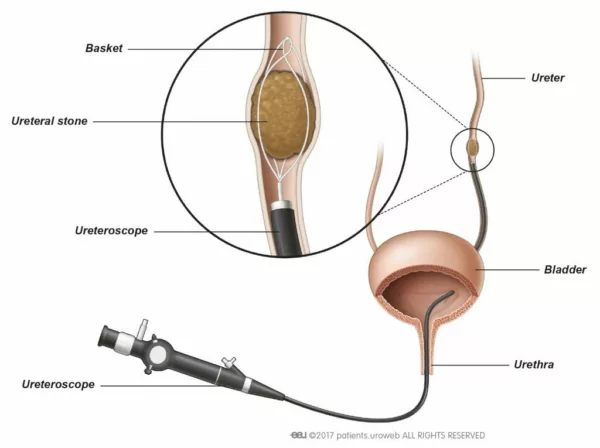
Ureteroscopy is a minimally invasive procedure that allows a urologist to examine the inside of the ureter and kidney using a small camera-equipped instrument called a ureteroscope. The procedure is commonly used to diagnose and treat kidney stones, strictures, tumors, and other urinary tract conditions. Because it is performed through the body’s natural urinary passages, no surgical incisions are required. Ureteroscopy provides both diagnostic and therapeutic benefits in a single procedure.
Who is a candidate for ureteroscopy?
Ureteroscopy may be recommended for patients with kidney stones, ureteral stones, urinary tract blockages, abnormal imaging findings, or unexplained urinary symptoms. It is often chosen when stones are unlikely to pass naturally or when other treatments are not suitable. The procedure can be performed on patients with a wide range of stone sizes and locations. A comprehensive evaluation helps determine whether ureteroscopy is the best treatment option.
What happens during a ureteroscopy procedure?
During the procedure, the ureteroscope is carefully guided through the urethra, bladder, and into the ureter or kidney. If a stone is identified, specialized instruments or laser technology may be used to break it into smaller pieces for removal. In some cases, a temporary ureteral stent may be placed to support urine drainage during healing. The procedure is typically performed under anesthesia and usually takes less than a few hours.
What can I expect during recovery after ureteroscopy?
Most patients return home the same day and experience a relatively quick recovery. Temporary symptoms such as mild burning during urination, urinary urgency, slight blood in the urine, or discomfort from a ureteral stent may occur. Drinking plenty of fluids and following postoperative instructions can help support healing. Follow-up appointments may be scheduled to monitor recovery, remove any temporary stents, and ensure successful treatment outcomes.