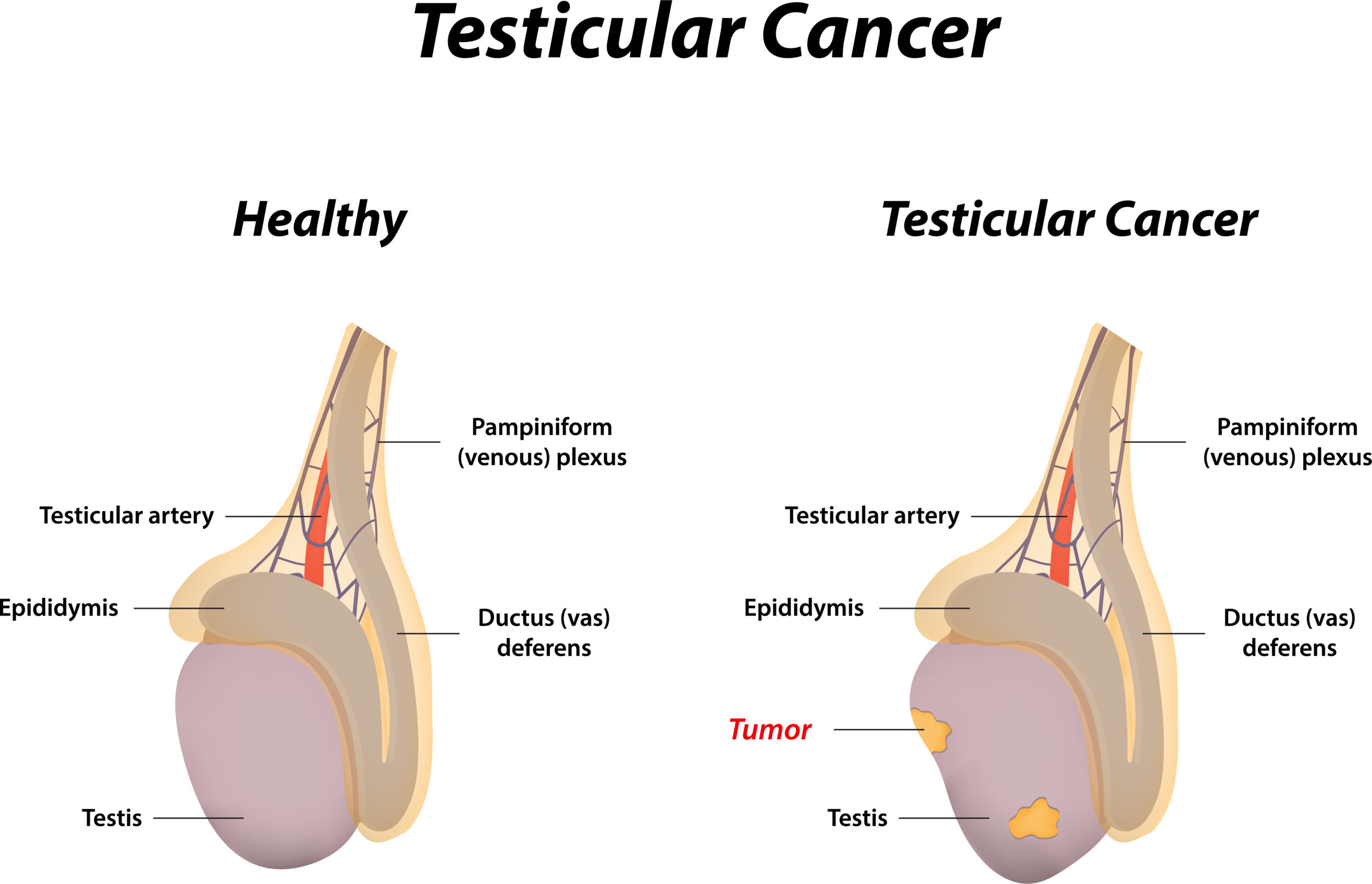
What are the symptoms of a testicular tumor?
The most common symptom of a testicular tumor is a painless lump or swelling in one testicle. Some individuals may also notice a feeling of heaviness in the scrotum, a dull ache in the lower abdomen or groin, or changes in testicular size and firmness. In certain cases, discomfort or pain may develop as the tumor grows. Any unusual change in the testicles should be evaluated by a healthcare professional as soon as possible.
How are testicular tumors diagnosed?
Diagnosis typically begins with a physical examination and a detailed review of symptoms and medical history. A scrotal ultrasound is commonly used to evaluate the size, location, and characteristics of the tumor. Blood tests may also be performed to measure tumor markers that can help identify specific types of testicular tumors. Additional imaging studies may be recommended to determine whether the tumor has spread and to guide treatment planning.
Are all testicular tumors cancerous?
No, not all testicular tumors are cancerous. Some tumors are benign and may not spread to other parts of the body. However, because it is difficult to determine the nature of a tumor based on symptoms alone, proper medical evaluation is essential. Diagnostic testing helps distinguish between benign and malignant growths and ensures that patients receive the most appropriate care.
What treatments are available for testicular tumors?
Treatment depends on the type, size, and stage of the tumor. Surgical removal of the affected testicle is often the primary treatment and may be curative for many patients. Additional treatments such as chemotherapy, radiation therapy, active surveillance, or advanced cancer therapies may be recommended when necessary. A personalized treatment plan focuses on removing the tumor, preventing recurrence, and supporting long-term reproductive and overall health.