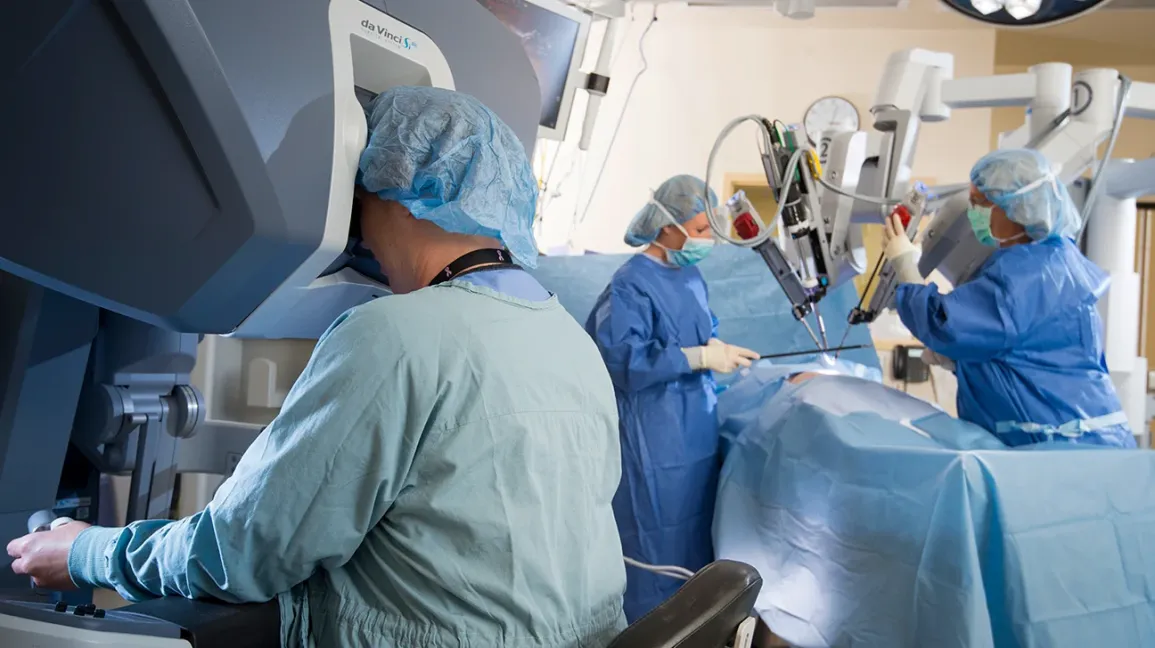
What is Da Vinci robotic surgery for prostate cancer?
Da Vinci robotic surgery is a minimally invasive procedure used to remove the prostate gland and, when necessary, nearby tissues affected by prostate cancer. The surgeon controls robotic instruments from a specialized console, allowing for highly precise movements and improved visualization. The procedure is performed through several small incisions rather than one large incision. This approach can help achieve effective cancer treatment while minimizing disruption to surrounding structures.
Who is a candidate for robotic prostate surgery?
Robotic prostate surgery is often recommended for men with localized prostate cancer that has not spread extensively beyond the prostate gland. Candidates are evaluated based on factors such as cancer stage, overall health, age, and treatment goals. Some patients with more advanced disease may also benefit from robotic-assisted surgery as part of a comprehensive treatment plan. A detailed consultation with a urologic oncology specialist helps determine the most appropriate treatment option.
What are the benefits of Da Vinci robotic surgery?
Da Vinci robotic surgery offers several advantages, including smaller incisions, reduced blood loss, less postoperative discomfort, and a shorter hospital stay. The enhanced precision of robotic technology may help preserve important nerves responsible for bladder control and sexual function. Many patients experience a quicker recovery and return to daily activities sooner than with traditional open surgery. The procedure also provides excellent cancer control when performed by experienced surgeons.
What can I expect during recovery after robotic prostate surgery?
Most patients spend one to two days in the hospital following the procedure and return home with a temporary urinary catheter. Mild discomfort, fatigue, and temporary urinary changes are common during the healing process. Patients are usually encouraged to walk regularly and gradually increase activity as recovery progresses. Follow-up appointments help monitor healing, review pathology results, and ensure the best possible long-term outcomes for both cancer control and quality of life.