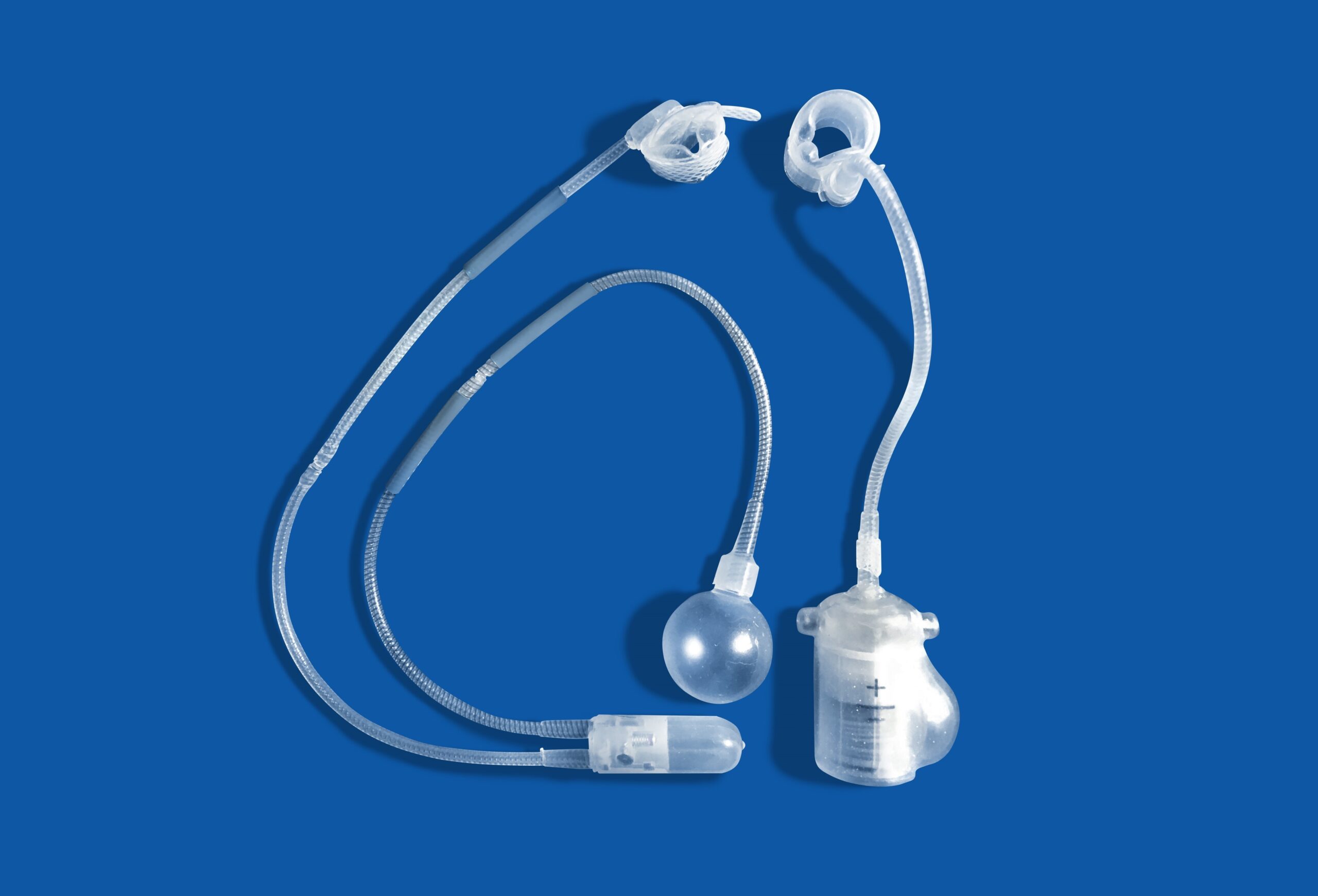
What is an Artificial Urinary Sphincter (AUS)?
An Artificial Urinary Sphincter is a surgically implanted device that helps control urinary leakage by replacing the function of a weakened or damaged urinary sphincter. The system typically consists of a fluid-filled cuff placed around the urethra, a control pump located in the scrotum, and a pressure-regulating balloon. When the patient is ready to urinate, the pump is gently activated to temporarily open the cuff and allow urine to pass. The cuff then automatically refills and closes to maintain continence.
Who is a candidate for an AUS?
An AUS is often recommended for patients with moderate to severe stress urinary incontinence that has not improved with conservative treatments. It is commonly used for men who experience persistent urine leakage following prostate cancer surgery, prostate procedures, or other conditions affecting urinary sphincter function. Candidates should be able to operate the device and be medically suitable for surgery. A comprehensive evaluation by a urology specialist helps determine whether an AUS is the best treatment option.
What are the benefits of an Artificial Urinary Sphincter?
The AUS provides reliable and long-lasting control of urinary leakage for many patients. Benefits may include significantly reduced urine leakage, improved bladder control, greater confidence, and enhanced quality of life. Because the device is entirely implanted inside the body, it remains discreet and allows patients to participate more comfortably in daily activities. Many individuals experience substantial improvements in social, professional, and personal well-being after treatment.
What can I expect during recovery after AUS surgery?
Recovery typically involves a healing period of several weeks before the device is activated. Patients may experience mild discomfort, swelling, or bruising around the surgical sites during the initial recovery phase. Follow-up appointments are scheduled to monitor healing and teach patients how to operate the device safely and effectively. Once activated, most patients adapt quickly to the AUS and enjoy improved urinary control with ongoing support from their healthcare team.