Why is a prostate biopsy performed?
A prostate biopsy is performed to evaluate suspicious findings that may indicate prostate cancer or other prostate abnormalities. Elevated PSA levels, abnormal digital rectal exam results, or concerning findings on MRI scans are common reasons for recommending the procedure. By examining prostate tissue under a microscope, healthcare providers can determine whether cancer cells are present. The results help guide treatment decisions and future monitoring.
How is a prostate biopsy performed?
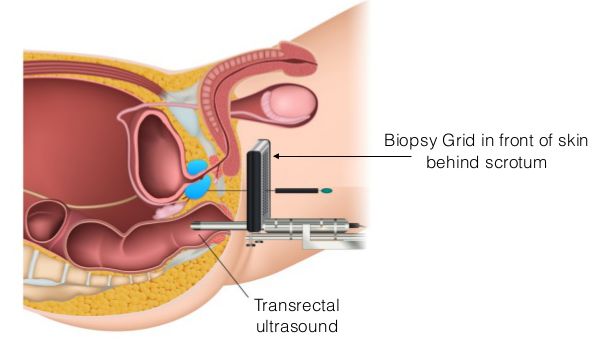
During the procedure, a urologist uses a specialized needle to collect small tissue samples from different areas of the prostate gland. Most biopsies are performed using ultrasound guidance, and some may incorporate MRI imaging for more precise targeting. The procedure is typically completed on an outpatient basis and may be performed under local anesthesia or sedation. The collected tissue samples are then sent to a pathology laboratory for detailed examination.
What should I expect after a prostate biopsy?
Most patients experience mild and temporary side effects following a prostate biopsy. These may include slight discomfort, minor bleeding in the urine or stool, and blood in the semen for a short period. Some patients may notice mild soreness in the biopsy area that gradually improves over several days. Following your healthcare provider’s instructions and staying well hydrated can help support a smooth recovery.
What do the biopsy results mean?
The biopsy results provide detailed information about the presence or absence of prostate cancer and the characteristics of any abnormal cells. If cancer is detected, the pathology report may include grading information that helps determine how aggressive the cancer is. Results can also identify noncancerous conditions such as inflammation or benign prostate enlargement. Your healthcare provider will review the findings with you and discuss any recommended next steps, including monitoring, additional testing, or treatment options.