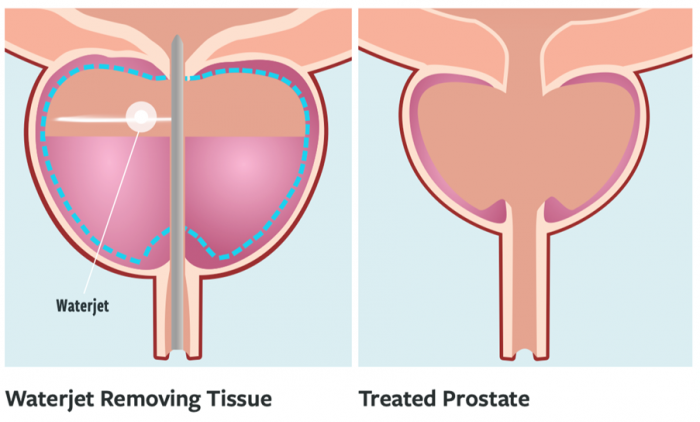
What is Aquablation therapy?
Aquablation is a robotic-assisted procedure that uses a high-pressure water jet to remove excess prostate tissue causing urinary obstruction. The treatment is guided by real-time ultrasound imaging, allowing the surgeon to create a personalized treatment plan based on the patient’s anatomy. Unlike heat-based procedures, Aquablation removes tissue without using lasers or electrical energy. This approach helps preserve surrounding structures while effectively relieving urinary symptoms caused by BPH.
Who is a candidate for Aquablation?
Aquablation is typically recommended for men with moderate to severe urinary symptoms related to an enlarged prostate. It may be an appropriate option for patients who have not achieved sufficient relief with medications or who prefer a minimally invasive alternative to traditional surgery. Eligibility depends on factors such as prostate size, overall health, and symptom severity. A comprehensive evaluation by a urology specialist can determine whether Aquablation is the right treatment choice.
What are the benefits of Aquablation?
Aquablation offers several advantages, including precise tissue removal, improved urinary flow, and long-term symptom relief. The procedure is designed to reduce the risk of damage to surrounding tissues and may help preserve sexual and urinary function. Many patients experience shorter recovery times and significant improvements in quality of life after treatment. Because the procedure is guided by advanced imaging technology, treatment can be highly customized to each patient.
What can I expect during recovery after Aquablation?
Recovery varies from person to person, but most patients can resume many normal activities within a relatively short period. Temporary urinary symptoms such as mild discomfort, increased frequency, or small amounts of blood in the urine may occur during the healing process. Follow-up appointments help monitor recovery and ensure optimal results. Most patients notice gradual improvement in urinary symptoms as the prostate heals and normal urine flow is restored.