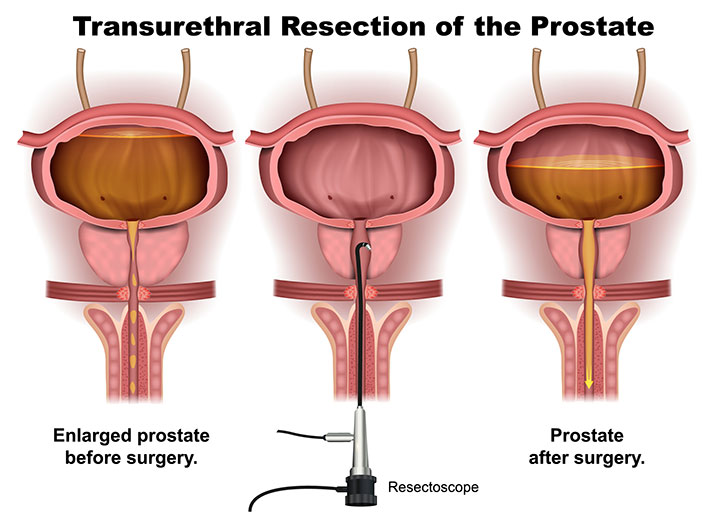
What is TURP?
TURP is a surgical procedure that removes excess prostate tissue causing urinary blockage. The procedure is performed through the urethra, eliminating the need for external incisions. A specialized instrument called a resectoscope is used to carefully remove the obstructing tissue and restore normal urine flow. TURP is considered a standard treatment option for men with significant symptoms related to an enlarged prostate.
Who is a candidate for TURP?
TURP may be recommended for men with moderate to severe urinary symptoms caused by BPH that have not improved with medication or other conservative treatments. It is often considered for patients experiencing urinary retention, recurrent urinary tract infections, bladder stones, or reduced kidney function due to prostate enlargement. A comprehensive evaluation helps determine whether TURP is the most appropriate treatment. The procedure is suitable for many men seeking long-term symptom relief.
What are the benefits of TURP?
TURP is highly effective at relieving urinary obstruction and improving bladder emptying. Many patients experience a stronger urine stream, reduced urinary frequency, fewer nighttime bathroom visits, and improved overall comfort. The procedure has a long history of successful outcomes and can provide durable symptom relief. By removing the excess tissue causing blockage, TURP helps restore normal urinary function and improve quality of life.
What can I expect during recovery after TURP?
Most patients remain in the hospital for a short period following the procedure and may require a temporary urinary catheter during the initial healing phase. Mild urinary discomfort, increased frequency, or small amounts of blood in the urine can occur as the prostate heals. Patients are generally encouraged to stay hydrated and avoid heavy lifting for several weeks. Follow-up appointments help monitor recovery, and most individuals notice significant improvement in urinary symptoms within a few weeks after treatment.