What causes Peyronie’s disease?
Peyronie’s disease is commonly believed to result from repeated minor injuries or trauma to the penis that heal abnormally and form scar tissue. In some cases, the condition develops without any known injury. Genetic factors, connective tissue disorders, and age-related changes may also increase the risk. The buildup of scar tissue can affect flexibility and cause the penis to bend during erections.
What are the symptoms of Peyronie’s disease?
The most noticeable symptom is a significant curve or bend in the penis during an erection. Other symptoms may include penile pain, lumps or hardened areas under the skin, shortening of the penis, and erectile dysfunction. Some men experience discomfort during sexual activity or difficulty achieving satisfactory intercourse. Symptoms may stabilize over time, but professional evaluation is important to determine the best treatment approach.
How is Peyronie’s disease diagnosed?
Diagnosis typically involves a physical examination and a review of the patient’s medical history and symptoms. A healthcare provider may feel for scar tissue and assess the degree of penile curvature. In some cases, ultrasound imaging is used to evaluate plaque formation, blood flow, and the extent of tissue changes. Accurate diagnosis helps guide treatment decisions and monitor disease progression.
What treatments are available for Peyronie’s disease?
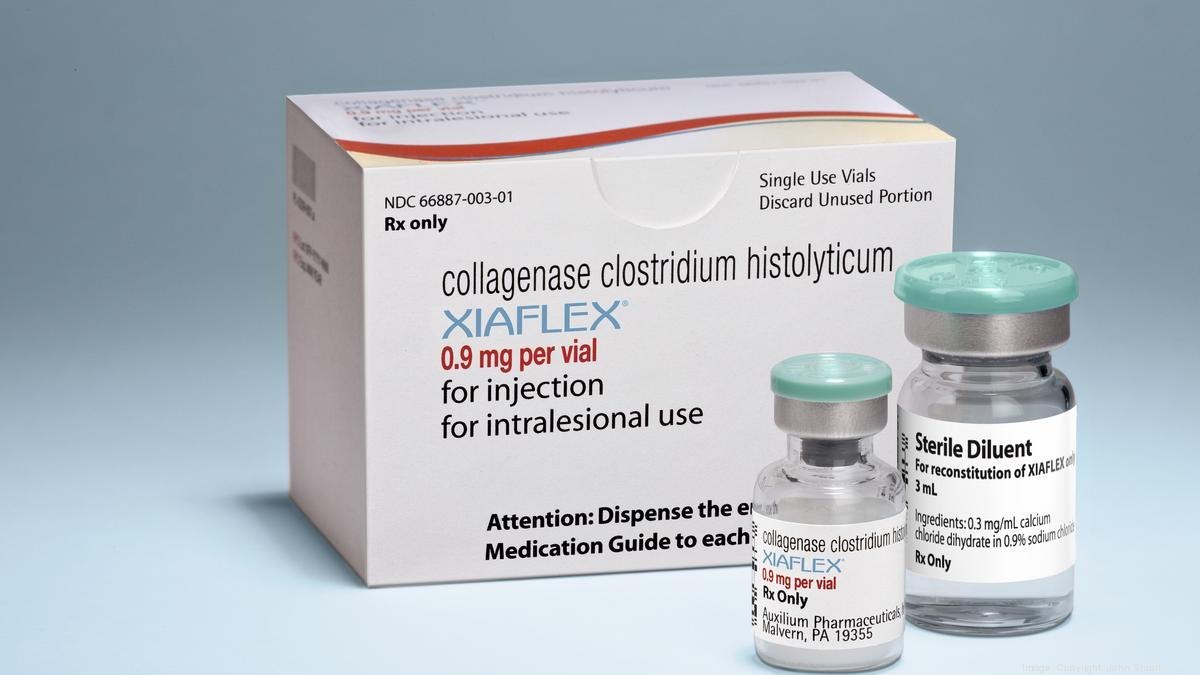
Treatment options depend on the severity of symptoms and the impact on daily life. Mild cases may only require observation and monitoring, while more significant cases may benefit from medications, injectable therapies, traction devices, or surgical correction. Treatment aims to reduce curvature, improve erectile function, and relieve discomfort. A personalized treatment plan can help patients achieve better outcomes and regain confidence in their sexual health.