Erectile Dysfunction

Erectile dysfunction (ED) is a common condition that affects a man’s ability to achieve or maintain an erection suitable for sexual activity. It can result from physical factors such as poor blood flow, diabetes, heart disease, hormonal imbalances, or certain medications, as well as psychological factors like stress, anxiety, and depression. ED can occur occasionally or become a persistent issue that impacts confidence, relationships, and overall quality of life. Modern diagnostic tools help identify the underlying cause and guide effective treatment options. With proper medical care and lifestyle modifications, many men experience significant improvement in their sexual health and well-being.

What causes erectile dysfunction?

Erectile dysfunction can be caused by a variety of physical and psychological factors. Common physical causes include diabetes, high blood pressure, heart disease, obesity, hormonal imbalances, and reduced blood flow to the penis. Mental health conditions such as stress, anxiety, depression, and relationship concerns may also contribute to ED. In some cases, a combination of physical and emotional factors plays a role in the development of the condition.

What are the symptoms of erectile dysfunction?

The primary symptom of erectile dysfunction is the inability to achieve or maintain an erection firm enough for sexual activity. Some men may also experience reduced sexual desire or difficulty sustaining an erection throughout intercourse. Symptoms can occur occasionally or become more frequent over time. If erectile difficulties persist for several weeks or months, it is important to seek professional medical evaluation.

How is erectile dysfunction diagnosed?

Diagnosis begins with a detailed review of medical history, symptoms, and lifestyle factors. A healthcare provider may perform a physical examination and order blood tests to check hormone levels, blood sugar, cholesterol, and other health markers. Additional testing may be recommended to assess blood flow and nerve function. Identifying the underlying cause allows for a personalized treatment plan that addresses both symptoms and contributing factors.

What treatments are available for erectile dysfunction?

Treatment depends on the underlying cause and severity of the condition. Options may include lifestyle changes, oral medications, hormone therapy, counseling, vacuum erection devices, or advanced medical procedures. Managing conditions such as diabetes, hypertension, and obesity can also improve erectile function. A customized treatment approach can help restore confidence, improve sexual performance, and enhance overall quality of life.


Medical Management of Erectile Dysfunction

Medical management of erectile dysfunction (ED) focuses on identifying and treating the underlying causes of difficulty achieving or maintaining an erection. Erectile dysfunction can result from conditions such as diabetes, high blood pressure, heart disease, hormonal imbalances, stress, or certain medications. Treatment often includes prescription medications, lifestyle modifications, hormone evaluation, and management of related health conditions.

Injectable Erectile Therapy

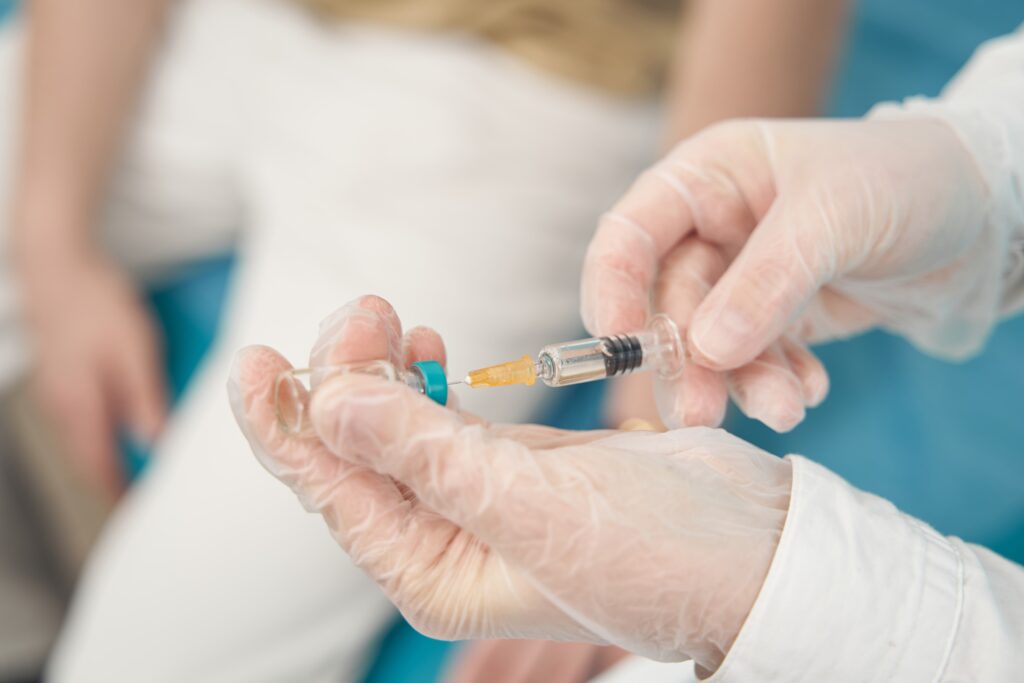
Injectable erectile therapy is a highly effective treatment for erectile dysfunction (ED) that involves injecting medication directly into the side of the penis to help produce and maintain an erection. The medication works by relaxing blood vessels and increasing blood flow to the erectile tissue, allowing for a firm erection suitable for sexual activity. This treatment is often recommended for men who have not achieved satisfactory results with oral ED medications or who cannot take them due to medical reasons.

Inflatable Penile Prosthesis

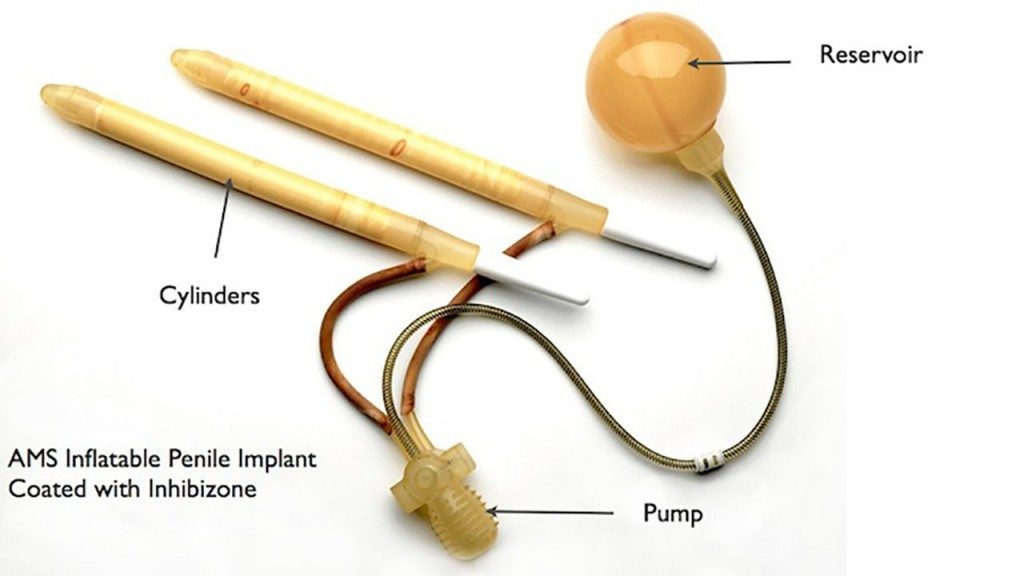
An Inflatable Penile Prosthesis (IPP) is an advanced surgical treatment for men with erectile dysfunction (ED) who have not achieved satisfactory results with medications or other therapies. The device is implanted entirely inside the body and is designed to provide a natural-looking erection when desired. An IPP consists of inflatable cylinders placed within the penis, a fluid reservoir, and a small pump positioned in the scrotum.