What are the risk factors for prostate cancer?
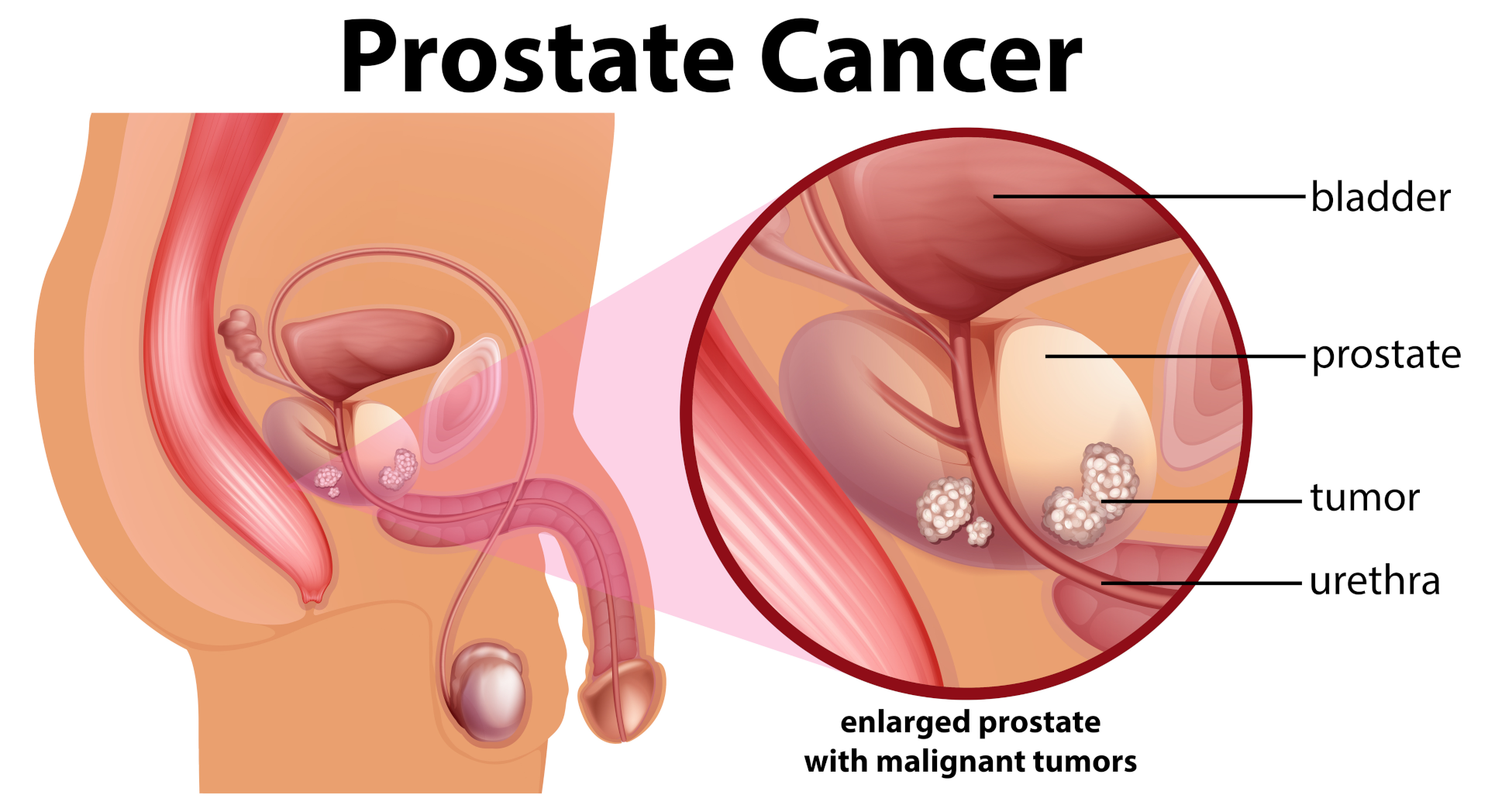
Several factors can increase the risk of developing prostate cancer, including age, family history, and certain genetic changes. Men over the age of 50 are at a higher risk, and the likelihood increases with advancing age. Having a close relative with prostate cancer may also raise the risk. Maintaining a healthy lifestyle and discussing screening options with a healthcare provider can support early detection and management.
What are the symptoms of prostate cancer?
Early-stage prostate cancer often causes no symptoms, which is why routine screening is important. As the cancer grows, symptoms may include difficulty starting or stopping urination, a weak urine stream, frequent urination, especially at night, and blood in the urine or semen. Some men may also experience pelvic pain or discomfort. Because these symptoms can occur with other prostate conditions, professional evaluation is essential for an accurate diagnosis.
How is prostate cancer diagnosed?
Diagnosis typically involves a combination of medical history review, physical examination, prostate-specific antigen (PSA) blood testing, and digital rectal examination (DRE). If abnormalities are detected, imaging studies such as MRI scans and prostate biopsies may be recommended to confirm the presence of cancer. These tests help determine the stage and aggressiveness of the disease. Accurate diagnosis allows healthcare providers to develop the most effective treatment plan.
What treatment options are available for prostate cancer?
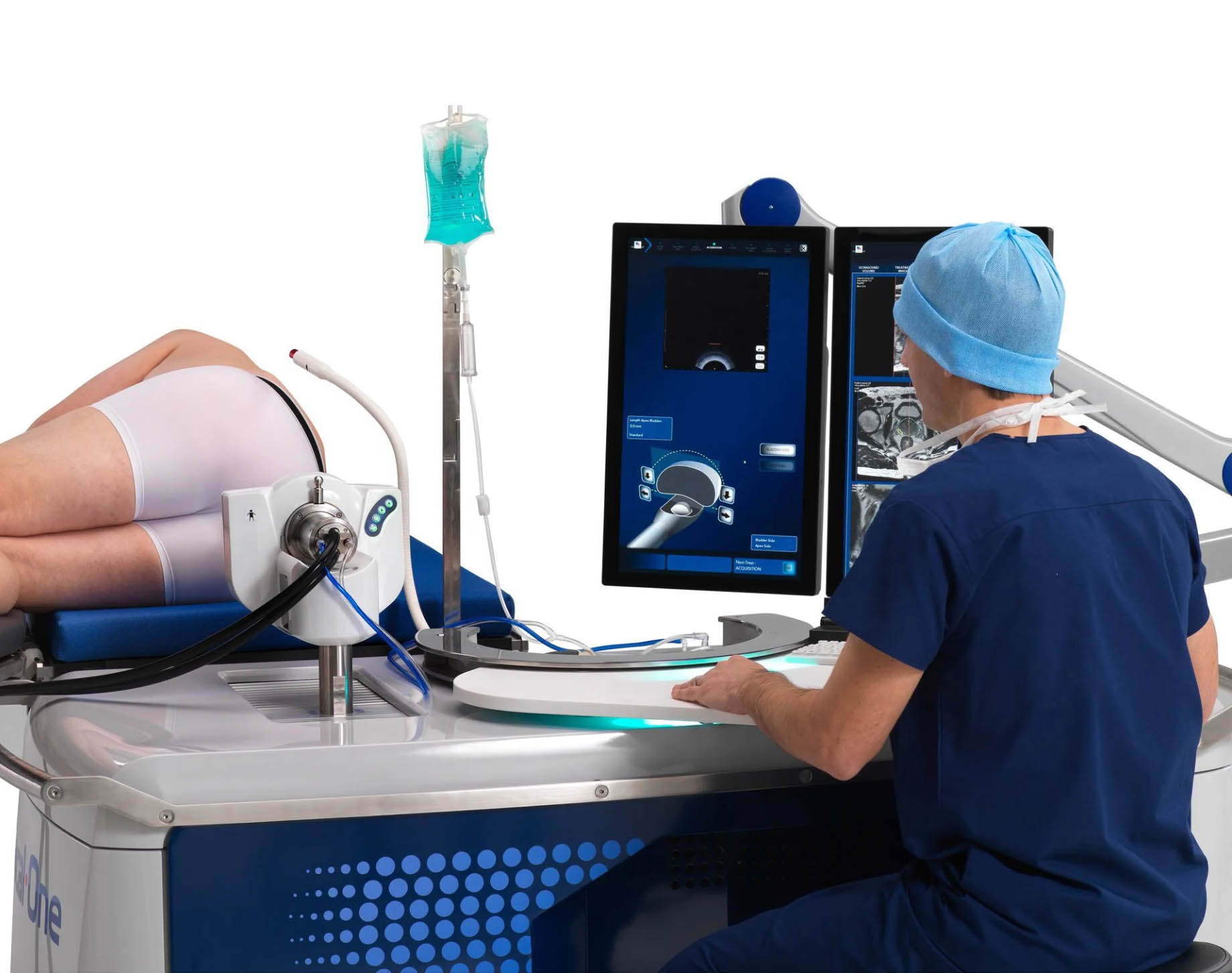
Treatment depends on the stage of cancer, overall health, and individual patient needs. Options may include active surveillance for low-risk cases, surgery to remove the prostate, radiation therapy, hormone therapy, immunotherapy, or other advanced treatments. Many modern therapies are designed to target cancer while preserving quality of life. A personalized treatment approach helps patients achieve the best possible outcomes and long-term health.