Benign Prostatic Hypertrophy

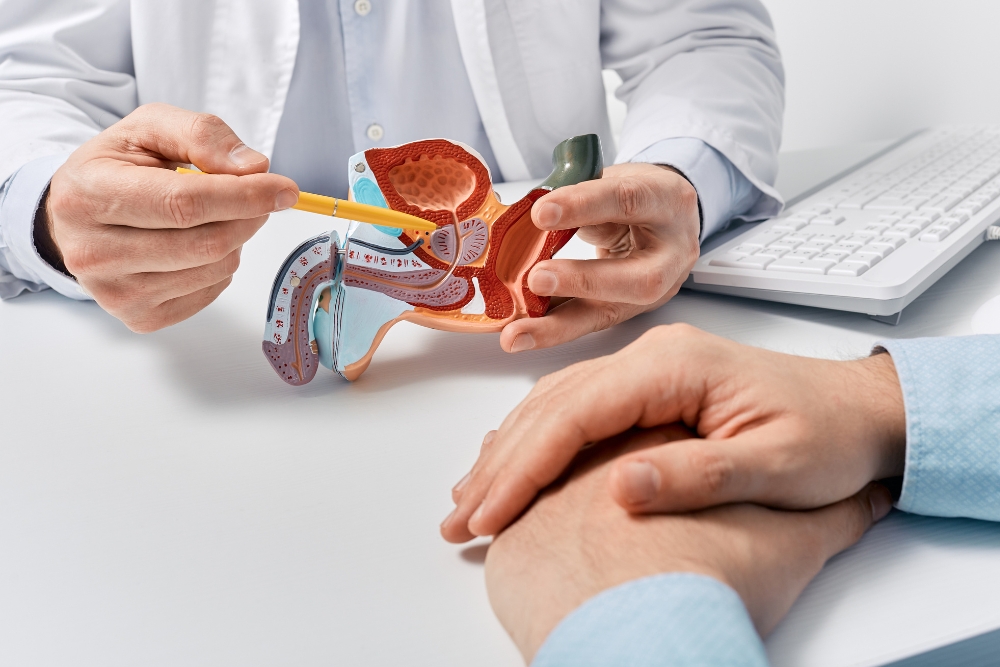
Benign Prostatic Hypertrophy (BPH), also known as an enlarged prostate, is a common condition that affects many men as they age. The prostate gland gradually increases in size and may press against the urethra, making it difficult for urine to flow normally. Common symptoms include frequent urination, a weak urine stream, difficulty starting urination, and the feeling of incomplete bladder emptying. While BPH is not cancerous, it can significantly impact daily comfort and quality of life if left untreated. Early diagnosis and personalized treatment can help manage symptoms, improve urinary function, and prevent complications.

What causes Benign Prostatic Hypertrophy (BPH)?

The exact cause of BPH is not fully understood, but it is closely linked to aging and hormonal changes in men. As men grow older, changes in testosterone and other hormone levels can stimulate prostate growth. Family history, obesity, and certain health conditions may also increase the likelihood of developing BPH. Although the condition is common, it is not related to prostate cancer.

What are the symptoms of BPH?

BPH symptoms usually develop gradually and primarily affect urinary function. Common signs include frequent urination, especially at night, difficulty starting urination, a weak or interrupted urine stream, and a sensation that the bladder is not completely empty. Some men may also experience urgency, dribbling after urination, or urinary retention. The severity of symptoms can vary depending on the degree of prostate enlargement.

How is BPH diagnosed?

Diagnosis typically begins with a discussion of symptoms, medical history, and a physical examination. A healthcare provider may perform a digital rectal exam (DRE) to assess the size of the prostate. Additional tests such as urine analysis, blood tests including PSA levels, ultrasound imaging, and urine flow studies may be recommended. These evaluations help confirm the diagnosis and rule out other urinary tract conditions.

What treatments are available for BPH?

Treatment depends on the severity of symptoms and their impact on daily life. Mild cases may be managed with lifestyle modifications and regular monitoring. Moderate to severe symptoms can often be treated with medications that relax prostate muscles or reduce prostate size. In some cases, minimally invasive procedures or surgical treatments may be recommended to improve urine flow and relieve urinary obstruction. The goal is to restore comfort, improve bladder function, and enhance overall quality of life.


UroLift

The UroLift® System is a minimally invasive treatment for benign prostatic hyperplasia (BPH), also known as an enlarged prostate. This innovative procedure uses small permanent implants to lift and hold enlarged prostate tissue away from the urethra, improving urine flow without removing or destroying prostate tissue. UroLift is typically performed as an outpatient procedure and does not require major surgery.

HoLEP / ThuLEP

HoLEP (Holmium Laser Enucleation of the Prostate) and ThuLEP (Thulium Laser Enucleation of the Prostate) are advanced, minimally invasive surgical procedures used to treat benign prostatic hyperplasia (BPH), commonly known as an enlarged prostate. These laser-based treatments remove excess prostate tissue that blocks the flow of urine, helping to relieve urinary symptoms and improve bladder function. Both procedures are highly effective for prostates of various sizes and offer long-lasting results.

Aquablation

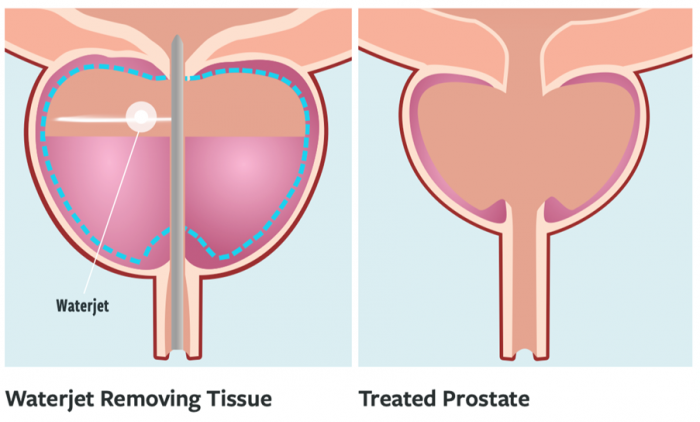
Aquablation is an advanced, minimally invasive treatment for benign prostatic hyperplasia (BPH), also known as an enlarged prostate. This innovative procedure uses a precise, robotically controlled water jet to remove excess prostate tissue that is blocking the flow of urine.

TURP

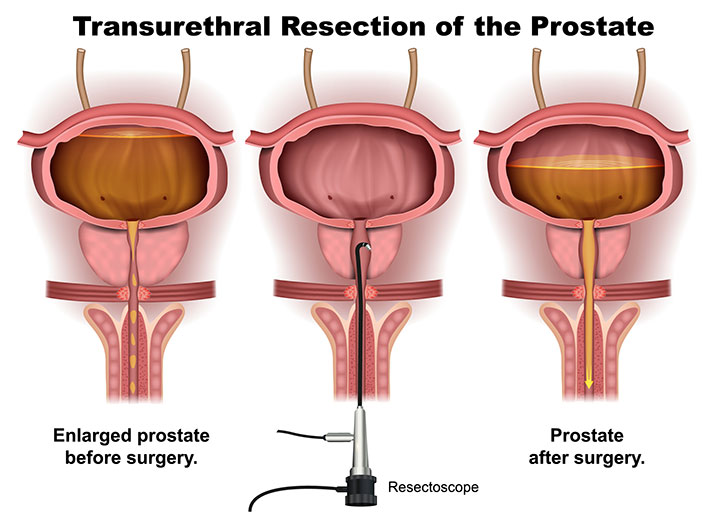
Transurethral Resection of the Prostate (TURP) is a well-established surgical procedure used to treat urinary symptoms caused by benign prostatic hyperplasia (BPH), commonly known as an enlarged prostate. During the procedure, excess prostate tissue that blocks the flow of urine is removed through the urethra using specialized instruments.

Rezum

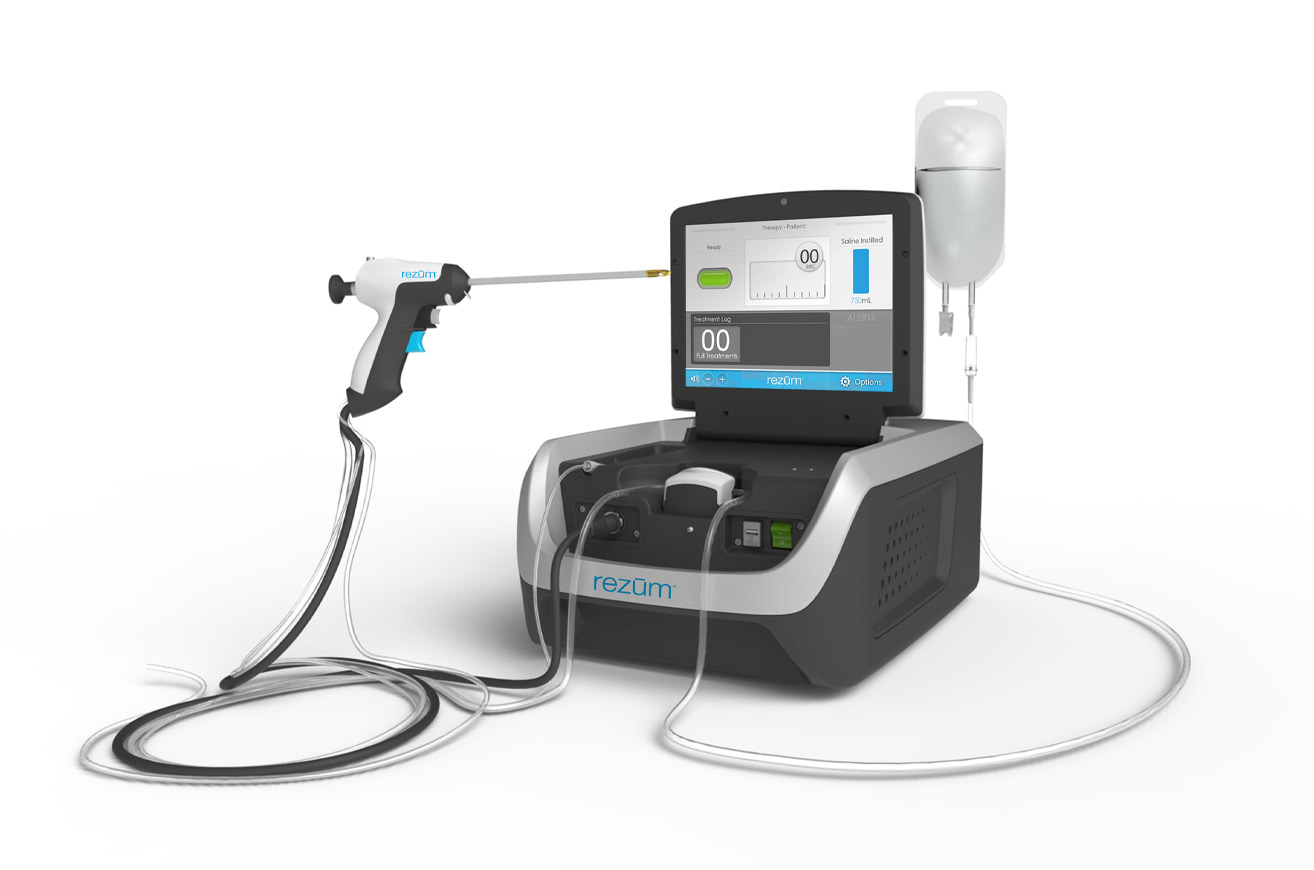
Rezūm™ Water Vapor Therapy is a minimally invasive treatment designed to relieve urinary symptoms caused by benign prostatic hyperplasia (BPH), commonly known as an enlarged prostate. The procedure uses the natural energy stored in sterile water vapor (steam) to reduce excess prostate tissue that is blocking the flow of urine.