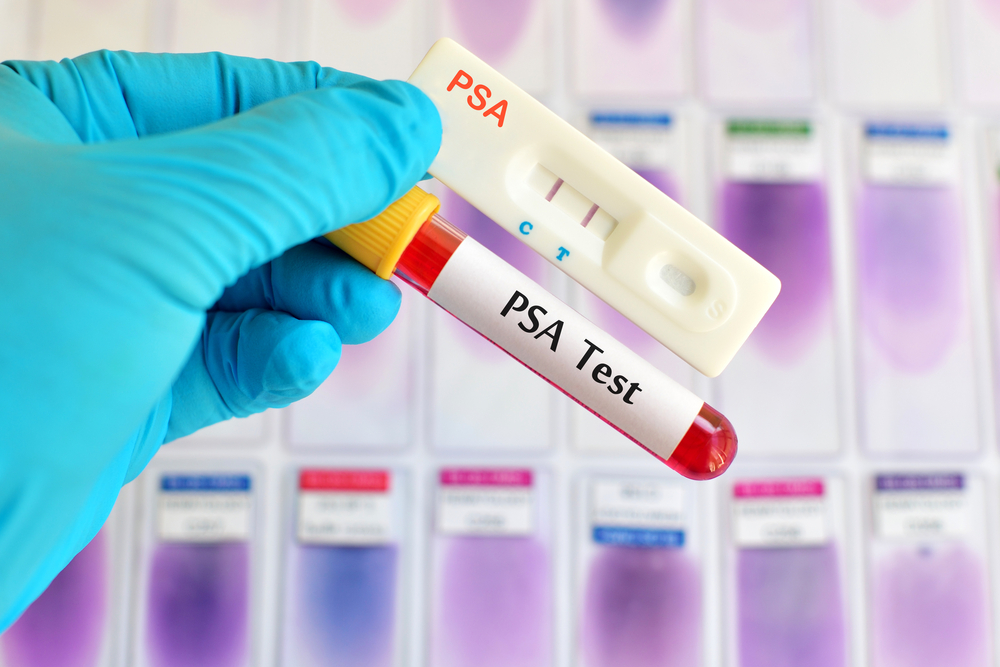
What is a PSA test?
A PSA test is a blood test that measures the amount of Prostate-Specific Antigen in the bloodstream. PSA is naturally produced by the prostate gland, and small amounts are normally present in the blood. Higher-than-normal PSA levels may signal prostate cancer, prostate enlargement, inflammation, or other prostate conditions. The test is quick, minimally invasive, and commonly used as part of routine prostate health evaluations.
Who should consider PSA screening?
PSA screening is often recommended for men based on their age, family history, and individual risk factors. Men over the age of 50 may benefit from regular discussions about prostate screening, while those with a family history of prostate cancer may need earlier evaluation. Healthcare providers consider each patient’s health profile when determining screening recommendations. A personalized approach helps ensure appropriate and effective preventive care.
Does an elevated PSA level mean I have prostate cancer?
Not necessarily. Elevated PSA levels can be caused by several conditions, including benign prostatic hyperplasia (BPH), prostatitis, urinary tract infections, or recent prostate irritation. While higher PSA levels may increase the likelihood of prostate cancer, additional testing is usually needed to determine the exact cause. Your healthcare provider may recommend repeat testing, imaging studies, or a prostate biopsy for further evaluation.
What happens if my PSA results are abnormal?
If PSA levels are higher than expected, your healthcare provider will review your medical history, symptoms, and overall health before recommending further evaluation. Additional testing may include repeat PSA measurements, digital rectal examination (DRE), prostate MRI, or biopsy procedures. Not all abnormal results indicate cancer, but further assessment helps identify the cause and determine the most appropriate next steps. Early evaluation can provide peace of mind and support timely treatment when necessary.