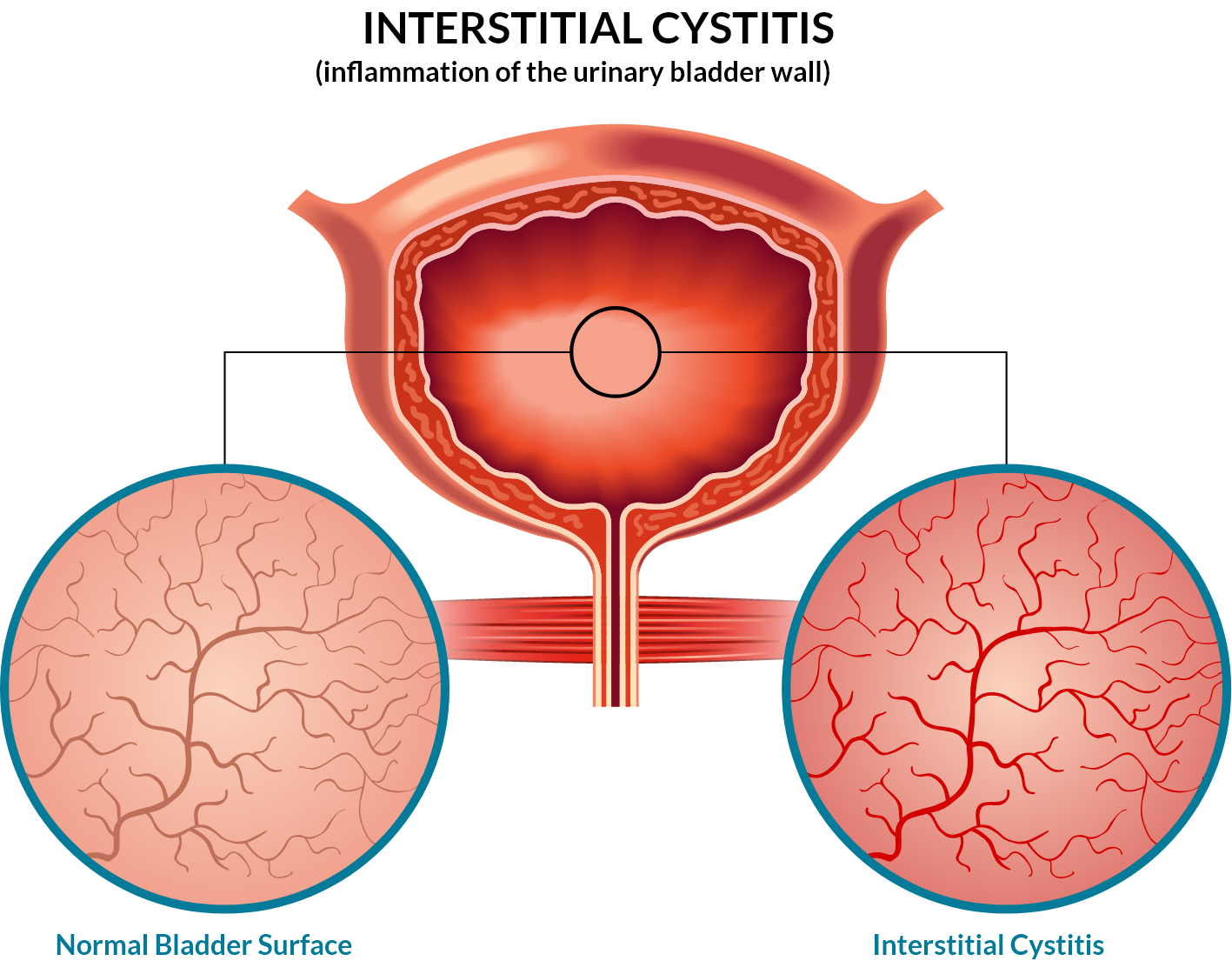
What causes Interstitial Cystitis?
The exact cause of Interstitial Cystitis remains unknown, but several factors may contribute to its development. Researchers believe it may be related to defects in the bladder lining, nerve dysfunction, autoimmune responses, or chronic inflammation. Some patients may have associated conditions such as irritable bowel syndrome or fibromyalgia. Because there is no single known cause, diagnosis often involves ruling out other urinary tract conditions.
What are the symptoms of Interstitial Cystitis?
Common symptoms include bladder pain, pelvic discomfort, frequent urination, and a persistent urge to urinate. Many individuals notice that symptoms worsen as the bladder fills and improve after urination. Some patients may experience pain during sexual activity or discomfort in the lower abdomen and pelvic region. Symptoms can fluctuate over time and may vary significantly from person to person.
How is Interstitial Cystitis diagnosed?
Diagnosis typically involves a thorough review of symptoms, medical history, and physical examination. Healthcare providers may perform urine tests, cystoscopy, bladder function studies, and other evaluations to rule out infections, bladder cancer, and other urinary conditions. Because there is no definitive test for IC, diagnosis is often based on symptoms and exclusion of other causes. Accurate evaluation is essential for developing an effective treatment strategy.
What treatments are available for Interstitial Cystitis?
Treatment focuses on reducing symptoms and improving quality of life. Options may include dietary modifications, bladder training, physical therapy, oral medications, bladder instillation treatments, and stress management techniques. Some patients benefit from advanced therapies designed to reduce pain and improve bladder function. A personalized treatment plan can help manage flare-ups, minimize discomfort, and support long-term bladder health.