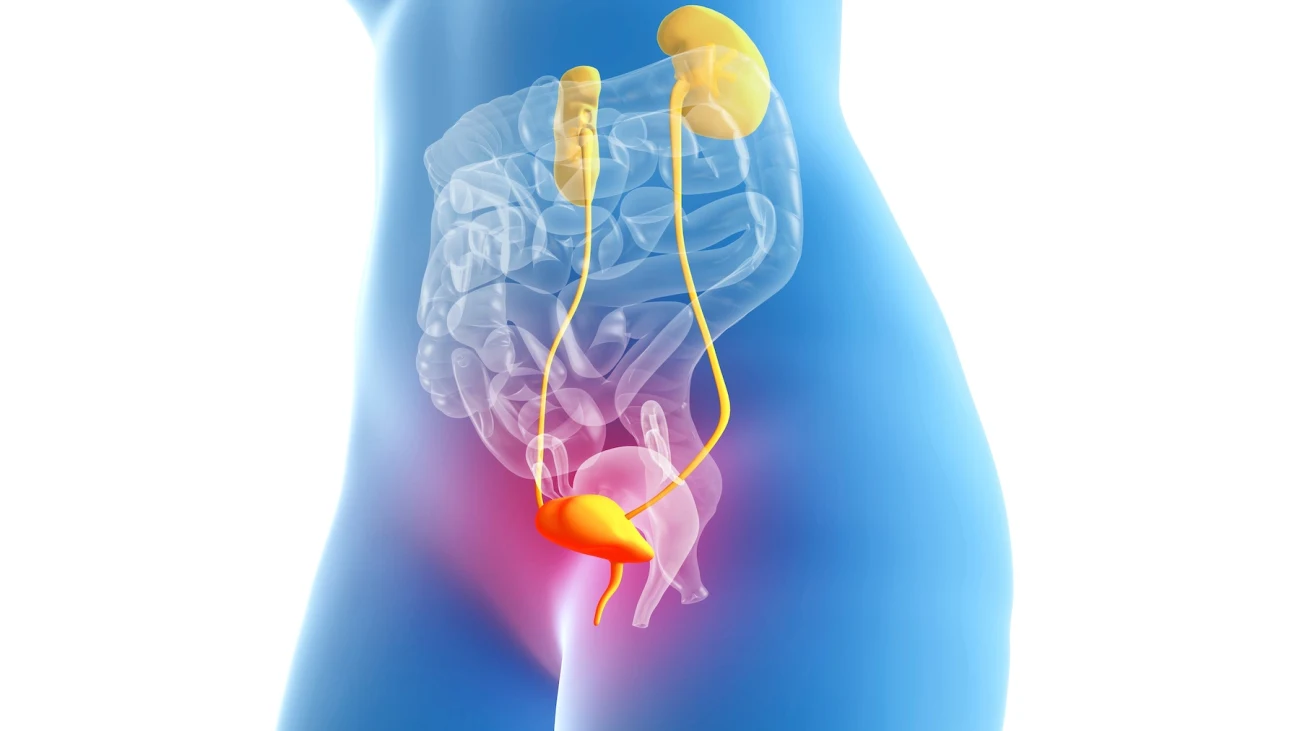
What causes recurrent urinary tract infections?
Recurrent UTIs can develop due to several factors that increase the risk of repeated bacterial infections. Common causes include urinary tract abnormalities, incomplete bladder emptying, kidney stones, weakened immune function, hormonal changes, and certain chronic health conditions. Some individuals may also be more susceptible to infections because of anatomical or lifestyle factors. Identifying the underlying cause is essential for effective prevention and treatment.
What are the symptoms of recurrent UTIs?
Symptoms of recurrent UTIs are similar to those of a typical urinary tract infection and may include frequent urination, urgency, burning during urination, pelvic pain, and discomfort in the lower abdomen. Some individuals may notice cloudy, bloody, or foul-smelling urine. Infections involving the kidneys can also cause fever, chills, nausea, and back pain. Persistent or recurring symptoms should be evaluated by a healthcare provider.
How are recurrent urinary tract infections diagnosed?
Diagnosis begins with a detailed review of symptoms, medical history, and previous infection patterns. Urine testing and urine cultures are commonly performed to identify the bacteria causing the infection. Additional evaluations such as ultrasound imaging, CT scans, cystoscopy, or bladder function studies may be recommended to look for structural abnormalities or other contributing factors. Comprehensive testing helps determine the reason for recurring infections and guides treatment planning.
What treatments are available for recurrent UTIs?
Treatment depends on the cause, frequency, and severity of the infections. Antibiotics are commonly used to treat active infections and may sometimes be prescribed as preventive therapy for individuals with frequent recurrences. Additional strategies may include lifestyle modifications, hydration improvements, management of underlying conditions, and addressing urinary tract abnormalities when present. A personalized treatment plan can help reduce future infections, relieve symptoms, and protect long-term urinary tract health.